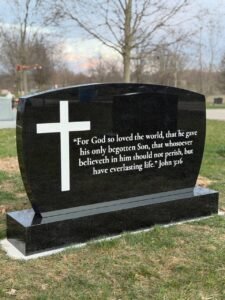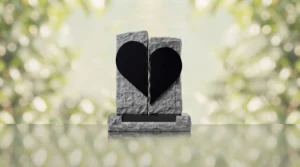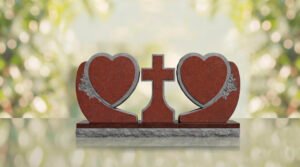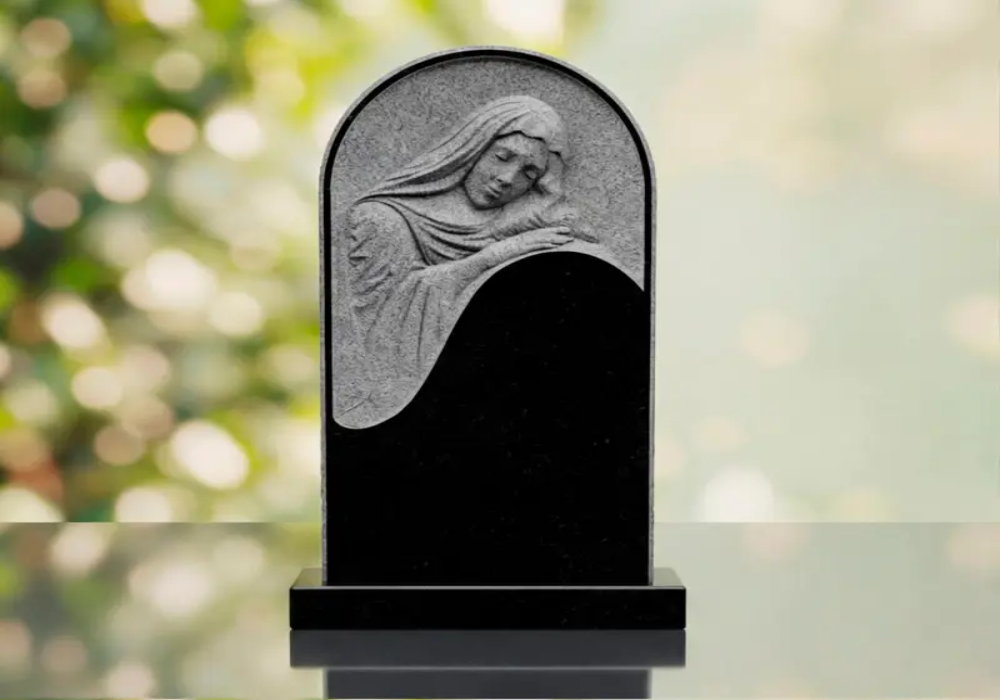
Before a single line is cut into granite, there is almost always a drawing. A rough one, usually. Pencil on the back of an envelope, a shape sketched at a kitchen table, a child’s crayon version of grandpa’s marker taped to the fridge. A headstone drawing is where grief starts to take a form you can hold, and it matters more than people expect – because the stone that stands for the next hundred years almost always begins as a few uncertain lines on paper. This is about that first step. How to draw a headstone, why families and designers still sketch before they carve, what the lines actually mean, and how a simple drawing turns into a finished memorial that we cut, polish, and set on a grave for you. Some of it is practical. Some of it is just about giving yourself permission to put the idea down before you commit it to stone. We sketch with families every week at Memory Headstones, and I can tell you the drawing stage is where the real decisions happen – long before anyone talks price or granite color. 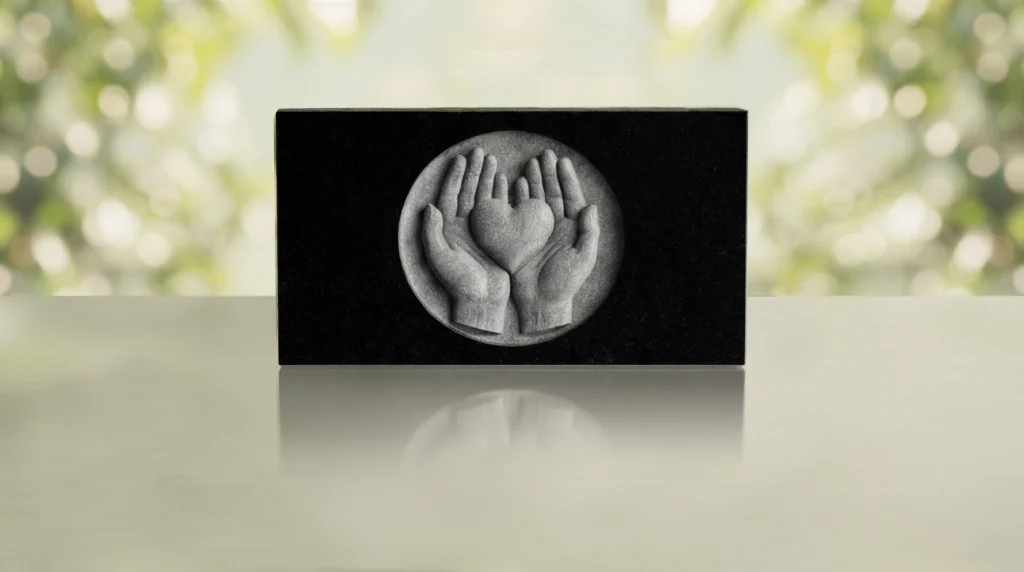
Why a headstone drawing comes before the stone
Stone is permanent. Paper is forgiving. That gap is the whole reason. A headstone drawing lets a family try an idea, hate it, and try another – all without spending a cent or wasting a slab of granite. You can move the name up, shrink the cross, swap the willow tree for an oak, see how a verse fits under the dates. On paper, all of that takes a minute. In stone, it takes a re-carve and a lot of money. So the drawing is not a formality. It is the safe room where the design gets argued out, where a daughter and a son finally agree, where the shape of the thing settles before it becomes irreversible. And there is something quieter going on too. The act of drawing slows you down. It makes you really look at the proportions, the spacing, the breathing room around a name – things the eye skips past in a catalog photo but feels instantly at the graveside.
How to draw a headstone from a blank page
You do not need to be an artist. Honestly, the rough ones are often the most useful. Here is how to draw a headstone if you have never tried. Start with the outline – decide first whether it stands upright or lies flat, because that single choice changes everything below it. Sketch the silhouette: a simple tablet, a heart, a slant, a cross-topped upright. Light pencil, no pressure, you are just finding the shape. Then block in where the family name goes – usually centered, near the top on an upright, and give it more room than feels necessary, because lettering always needs air. Drop in the first and last names with dates beneath. Then, and only then, add a symbol if you want one, off to a corner or worked into the top. Last comes the epitaph line, small, near the base. That sequence matters. People who try to draw the rose first and the name last almost always run out of room for the thing that matters most. When you learn how to draw a headstone properly, you learn to protect the name’s space before anything decorative goes near it. Rough it out three or four times. The fourth one is usually the keeper. 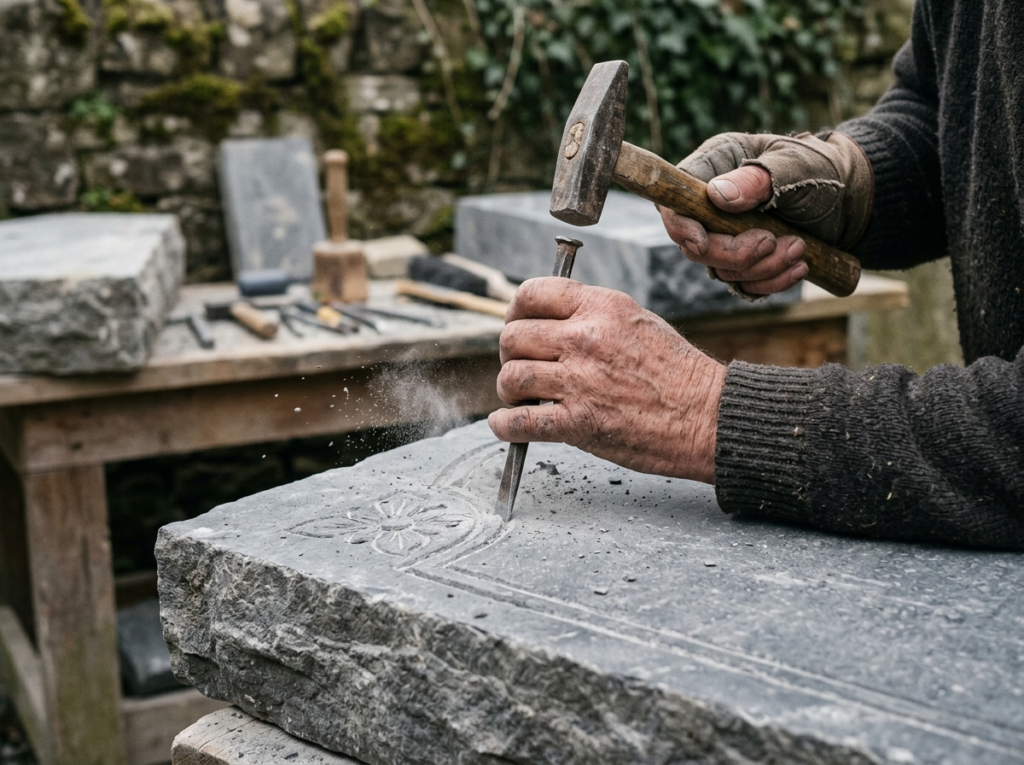
What drawings of headstones can teach you about proportion
Look at enough drawings of headstones and a pattern shows itself. Balance is everything. The markers that feel right on paper – and later in granite – share a quiet sense of proportion. The name is not crammed. The symbol does not crowd the dates. There is margin, breathing space, a little silence around the words. Studying drawings of headstones, even quick ones, trains your eye for that balance faster than reading any guide. We keep a folder of old sketches and the finished stones beside them, and the lesson is always the same: the restrained drawing became the better memorial. The busy one looked clever on paper and cluttered in the grass. So if your drawings of headstones feel a bit empty, a bit too plain – good. That emptiness reads as dignity once it is cut into Indian Black or a soft Morning Rose granite and standing under afternoon light.
From a hand sketch to a real design
The pencil version is the start of a conversation, not the end of one. Once a family brings us a sketch – or even just describes one over the phone – our designers redraw it to scale, to the exact dimensions of the stone they are choosing, so the proportions on paper match what will actually be carved. This is where the rough headstone drawing becomes a working plan. We check the lettering size against the stone size, the symbol placement against cemetery rules, the depth of the carving against the granite color. A drawing that looked balanced at notebook size sometimes needs adjusting at 36 inches tall, and catching that on the drawing board saves everyone the heartbreak of a finished stone that feels off. There is a real person doing this, by the way – a designer, not a form. You can hand us the crudest stick-figure sketch and we will treat it with care, because we know what it cost you to make it.
Seeing the drawing become real before you buy
This is the part that has changed the most, and it takes the fear out of the whole thing. A drawing on paper still leaves a question hanging – what will it actually look like, out there, in the cemetery? So we close that gap. Once your headstone drawing is turned into a design on our product pages, you can spin it in 3D and see every angle, then use the AR preview to stand it at full size on the actual grave through your phone. The sketch you made at the kitchen table, now standing in the grass where it will live. People go quiet when they see it. That moment – paper becoming almost-real – is when families finally exhale and know they got it right. You can build it yourself right on the page, or let our team take your drawing and do it with you. Either way, nothing gets cut until you have seen it standing.
What the drawing quietly decides about lettering and stone
A sketch is never only a shape. It is making choices you might not notice yet. The moment you draw a name large and centered, you have hinted at an upright in a dark granite where white lettering will read sharp from the path. Sketch it small and low, and you are leaning toward a flat marker, gentler, more private. The drawing decides the lettering style too – block capitals feel formal and carry a long name well, a flowing script suits a single first name and a short verse. We read all of that out of the rough sketch and bring it up gently, because families rarely realize how much their pencil already chose for them. The size of the letters against the size of the stone, the weight of a serif, whether a date sits on one line or two – these live in the drawing before anyone says them out loud. And the granite color answers back. A bold, simple drawing wants black for contrast. A soft, delicate one often wants Morning Rose or a pale grey, where heavy black lettering would feel too severe. So the sketch and the stone are in conversation from the first line, each shaping the other until the memorial finally feels whole.
When the drawing carries a personal story
The best memorials almost always trace back to one specific image a family drew or described. A boat, because he fished every weekend off the Gulf. A pair of gardening shears, because her roses were the talk of the street. A treeline that matched the view from a cabin. These start as a wobbly sketch and become some of the most moving stones we cut. The drawing does not have to be good – it has to be true. We have taken a grandchild’s crayon picture of a family dog and turned it into a laser-etched portrait on polished granite that made the whole family weep when they saw it set. That is the power hiding in a simple headstone drawing. It holds the detail that says this person, no one else. So draw the odd, specific thing. The inside joke. The hobby nobody else would think to include. That is what makes a marker theirs. 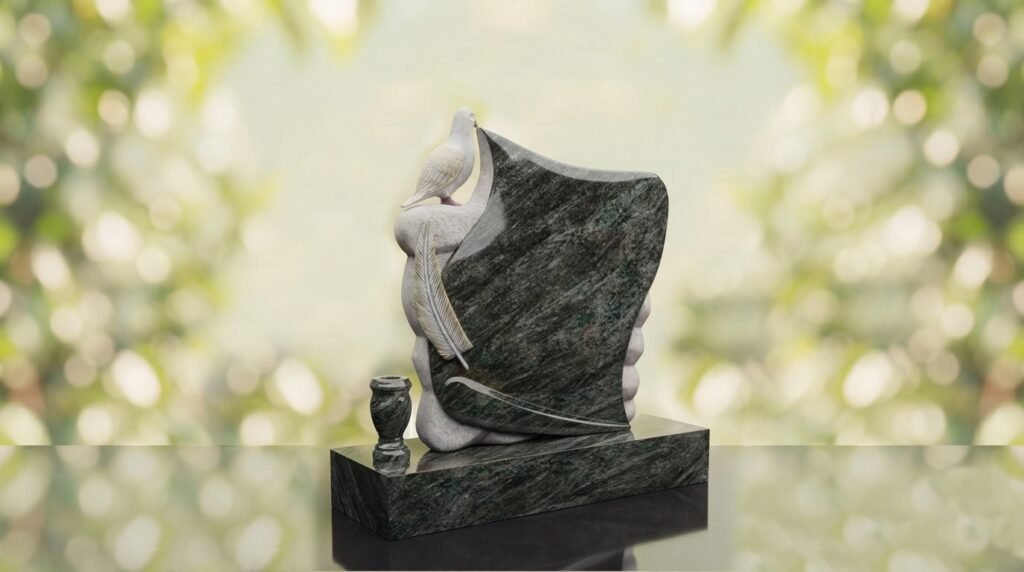
A few practical notes families ask about
Small things, but they come up every time. Spelling and dates – triple-check them on the drawing, because they are the one thing we cannot undo once carved. Religious symbols – sketch them in if the faith matters, and tell us the tradition so we cut it correctly. Cemetery rules – some sections cap the height or require a flat marker, so it is worth a quick call before you fall in love with a tall upright drawing. Couples – if it is a companion stone, draw both sides even if one date is years away, because the layout has to balance for two from the start. We work with families across California, Texas, Florida, New York, Pennsylvania, Ohio, Illinois, North Carolina, South Carolina, New Jersey, Washington, Oklahoma, Kansas, and Arkansas, with showrooms from Sacramento and Los Angeles to Houston, Tulsa, Edmond, Plainfield, and Galloway, and we coordinate the cemetery approval and installation wherever you are. Veterans receive 30% off with full payment, police officers and first responders 25%, and in-house financing means a meaningful design never has to wait. I still keep the first sketch from most projects, tucked in the file. Years later you can lay the crumpled drawing next to a photo of the finished stone in the grass, and they match – the wobbly pencil lines and the polished granite saying the same quiet thing. That is the whole arc of this work, start to finish, and it nearly always begins with someone brave enough to put a pencil down on a blank page.