
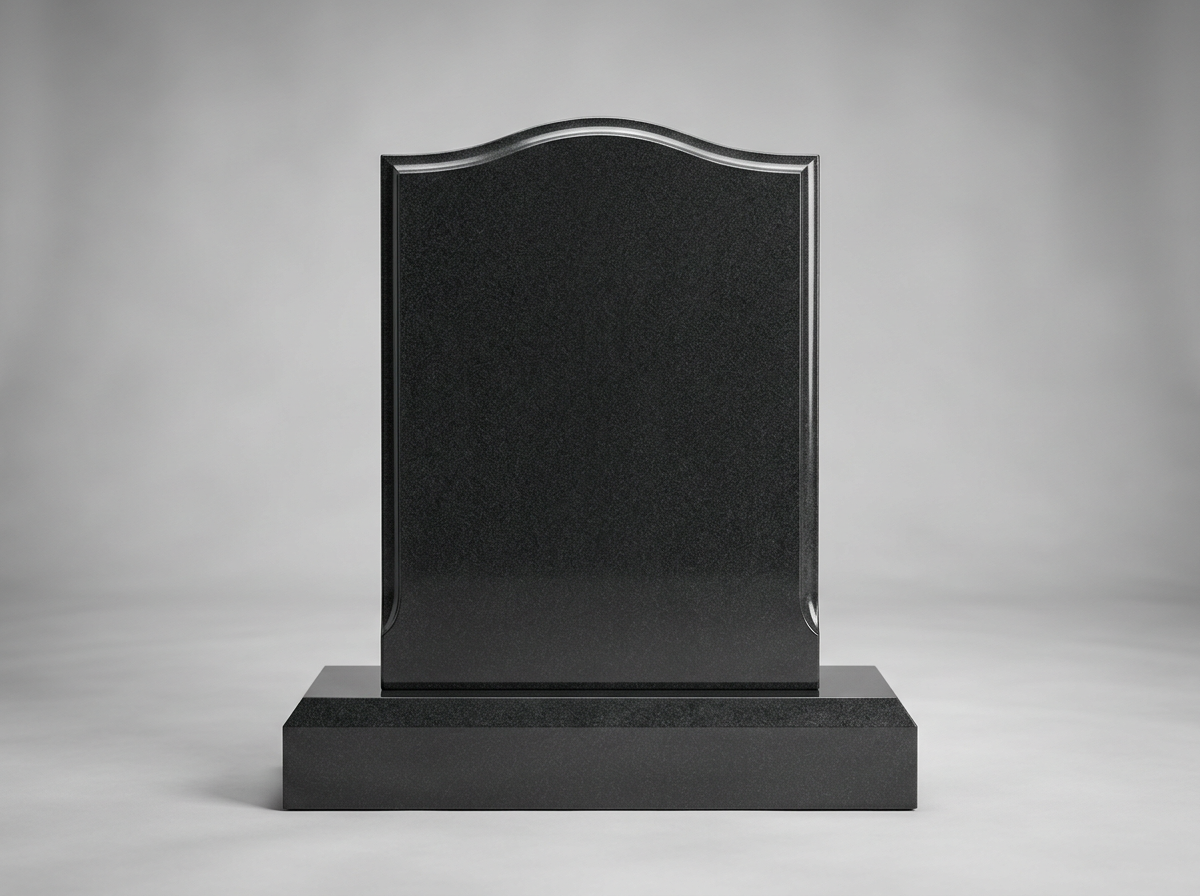
The inscription on a headstone is one of the few things a family can be certain will outlast everyone who knew their loved one. The choice of font — and the method of engraving — determines how legible that inscription will be in fifty, one hundred, or two hundred years. Understanding the difference between lettering styles and engraving methods is essential to making a choice you will never regret.
How Headstone Lettering Is Applied
Modern headstone inscriptions are applied using one of two methods:
- Sandblasting: A stencil is applied to the granite and abrasive sand is blasted into the exposed areas, creating a carved, recessed letter. This is the most durable method — the letters are physically cut into the stone.
- Laser etching: A high-powered laser ablates (vaporizes) the surface layer of granite, creating a lighter-colored image or text. Excellent for portraits and detailed imagery; can also produce crisp lettering.
For primary inscriptions (name, dates), sandblasted lettering is preferred for longevity. Laser etching is ideal for portraits and supplementary design elements.
Font Families That Weather Well
Roman serif fonts (such as Times, Garamond, or Trajan) are the most traditional choice for headstones and have been used in monuments for centuries. The serifs — the small decorative strokes at the ends of letterforms — help the eye distinguish individual letters even as stone weathers. Roman serif inscriptions on granite remain highly legible for well over a century.
Sans-serif fonts (such as Helvetica or Optima) offer a cleaner, more modern aesthetic. They work well on polished granite where the high contrast between the polished face and the cut letter provides excellent legibility. On rougher or honed granite, sans-serif letters can lose definition over decades.
Script and italic fonts are popular for secondary inscriptions — epitaphs, terms of endearment, short poems — but should be used carefully for names and dates. Fine strokes in script fonts can fill with debris or erode over time, reducing legibility. If you choose script, ensure letters are cut at a sufficient depth.
Letter Size and Depth
Minimum recommended letter height for names is 1.5" to 2" for upright monuments. Dates are typically 1" to 1.25". Letters cut to a depth of at least 3/8" on hard granite will remain legible for well over a century. Shallow engravings (1/4" or less) may fade significantly within 50 years, particularly in regions with freeze-thaw cycles.
Paint and Color Fill
Many families choose to have the sandblasted letters painted with a colored enamel — most commonly white or gold — to increase contrast. Painted fill will require periodic repainting (typically every 5–15 years depending on climate and sun exposure), but the underlying carved letters remain permanent. An unpainted inscription on polished black granite reads clearly without fill due to the contrast between the polished face and the matte cut surface.
Choosing for Your Memorial
Our design team can provide a digital rendering showing your chosen inscription in any font, at any size, on the exact granite color you select. We recommend requesting to see the inscription at actual size (not scaled down) in the rendering to get an accurate sense of how it will look on the finished stone. We have helped thousands of families find the right combination of font, size, and engraving method for memorials across every region of the United States.
Sources: Natural Stone Institute, American Institute for Conservation, Historic England memorial conservation guidelines