Uncategorized

How Durable Are Headstones Over Time?

Published on May 8, 2026 by seo
How Durable Are Headstones Over Time?

When we erect a headstone, we are making a profound attempt to defy time. We carve names, dates, epitaphs, and intricate designs into solid rock, hoping to immortalize the memories of those who have passed. However, the natural world is in a constant state of flux and decay. Mountains erode, rivers carve deep into canyons, and inevitably, headstones wear away. The durability of a headstone over time is not an absolute guarantee but rather a highly complex interplay between the chosen material, the surrounding environment, and the level of ongoing human care.

Understanding the longevity of cemetery monuments is crucial for families planning a lasting tribute, historians studying genealogical records, and preservationists working tirelessly to save our collective heritage. In this comprehensive guide, we will explore the underlying science of weathering, analyze the most common memorial materials used throughout history, and provide actionable, expert insights into preserving these vital historical markers for future generations.

The Science of Monument Weathering

Headstones are primarily subjected to two overarching types of weathering: mechanical and chemical. Together, these natural forces work relentlessly, day and night, to break down even the most formidable and dense stones.

  • Mechanical Weathering: This involves the physical breakdown of the stone. The most common and destructive culprit in colder climates is the freeze-thaw cycle. When water seeps into the microscopic pores or hairline cracks of a headstone and subsequently freezes, it expands by approximately nine percent. This expansion exerts tremendous pressure from the inside out, causing the stone to crack, flake, or spall. Furthermore, thermal expansion from the hot summer sun can cause distinct minerals within the stone to expand and contract at different rates, leading to microscopic internal fractures over decades of exposure.
  • Chemical Weathering: This process actually alters the chemical composition of the stone itself. The most destructive force in this category is acid rain. When carbon dioxide, nitrogen oxides, and sulfur dioxide in the atmosphere mix with falling rainwater, they create weak but persistent carbonic and sulfuric acids. When this acidic precipitation falls on calcareous stones—meaning stones containing calcium carbonate, like marble or limestone—it triggers a chemical reaction that literally dissolves the stone, turning crisp, beautiful carvings into smooth, illegible bumps over time.

An Analysis of Common Headstone Materials

The single most important factor determining a monument’s lifespan is the material from which it is crafted. Throughout history, different eras and geographical regions have favored different stones, yielding a wide spectrum of durability that is highly visible in any historic cemetery today.

1. Granite: The Indestructible Standard

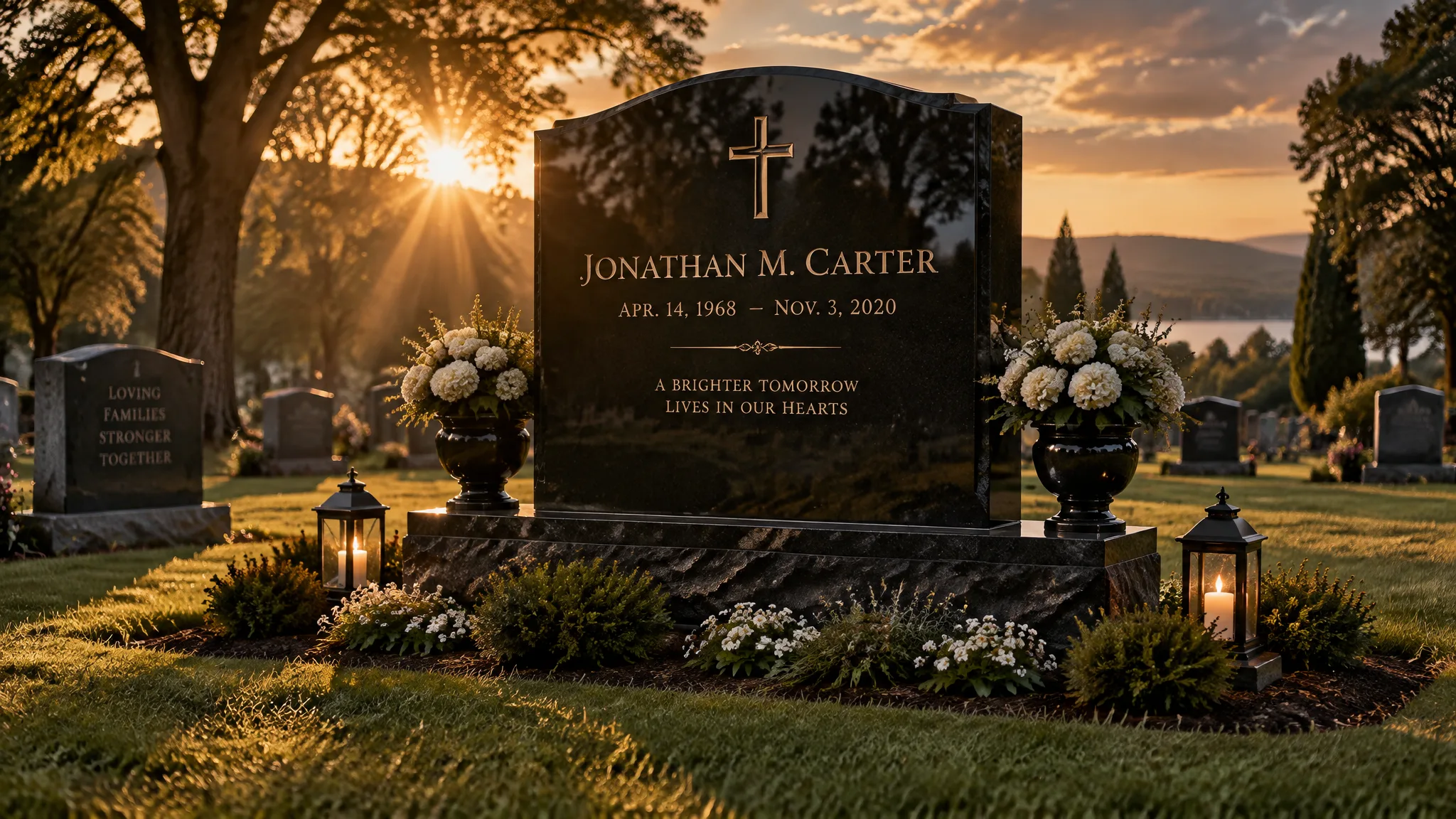
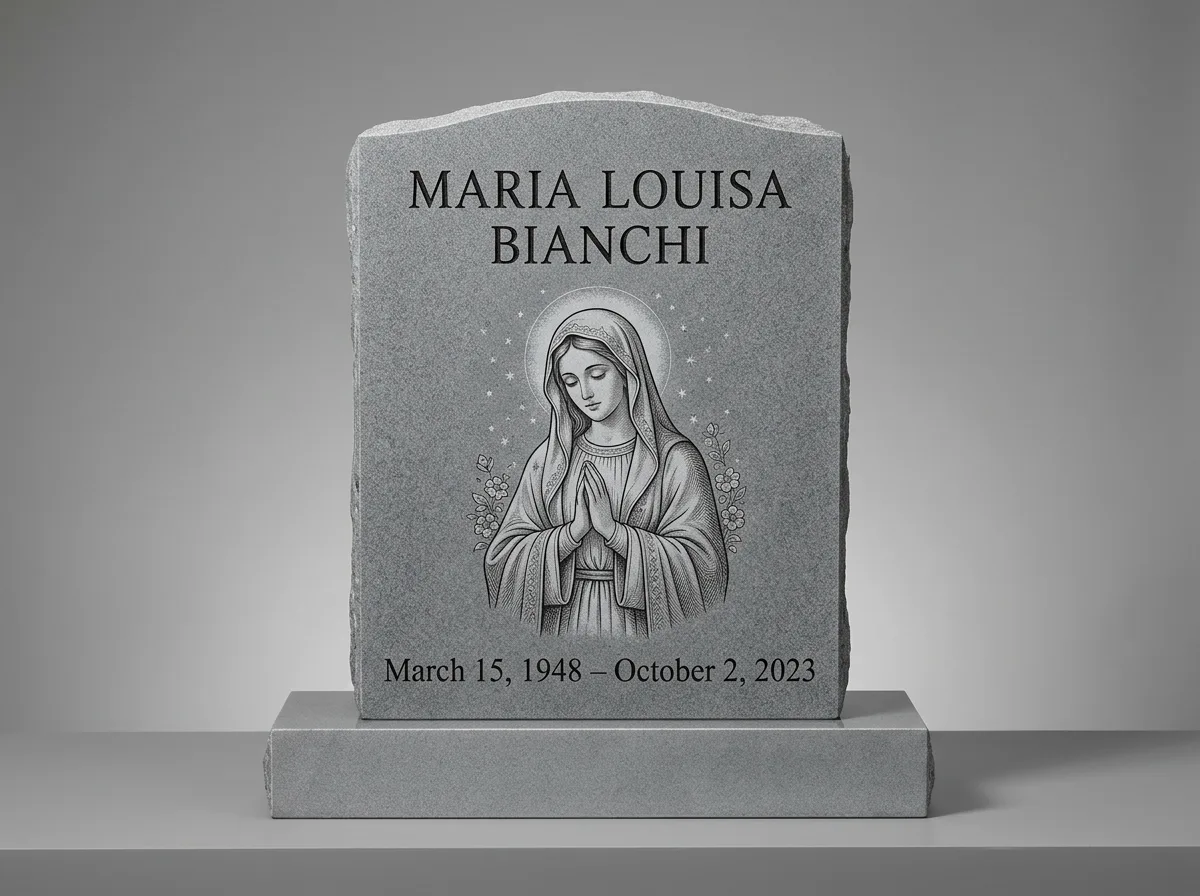
Granite is an igneous rock formed from slowly cooling magma deep beneath the earth’s surface. It is incredibly dense and composed primarily of hard minerals like quartz, feldspar, and mica. Because it completely lacks calcium carbonate, granite is practically immune to the dissolving effects of acid rain.

  • Lifespan: Carvings on high-quality granite can remain sharp, polished, and perfectly legible for thousands of years.
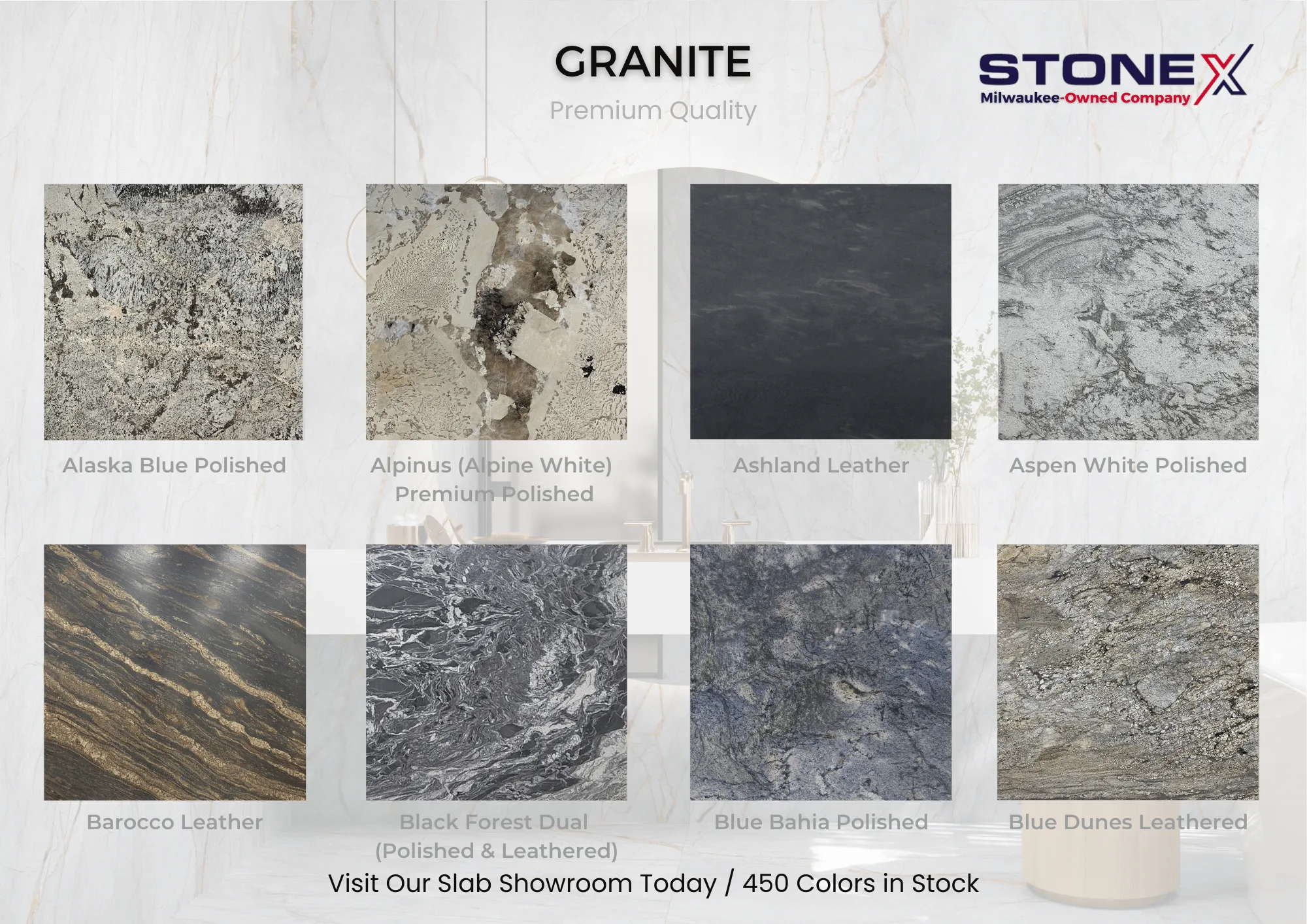
  • Durability: It is highly resistant to both mechanical and chemical weathering. Today, granite is the definitive standard choice for modern cemeteries due to its unparalleled longevity, structural strength, and wide variety of available colors.

2. Marble: The Beautiful but Vulnerable Classic

Marble is a metamorphic rock formed when limestone is subjected to intense subterranean heat and pressure. It was incredibly popular in the 19th and early 20th centuries (particularly during the Victorian era) because its relative softness allowed artisans to carve incredibly intricate designs, from weeping angels to delicate floral motifs.

  • Lifespan: Depending on the harshness of the environment, a marble headstone typically retains its legibility for 75 to 200 years.
  • Durability: Marble’s Achilles’ heel is its base composition. Being primarily calcium carbonate, it acts much like a slow-dissolving antacid tablet when continuously exposed to acid rain. Over time, the surface “sugars” (becomes granular and powdery) and washes away, gradually erasing the epitaph.

3. Slate: The Dark Horse of Longevity

Slate is a fine-grained, foliated metamorphic rock derived from an original shale-type sedimentary rock. It was the material of choice in early colonial America, particularly in New England, where grim reapers, winged soul effigies, and urns were meticulously carved into its dark, smooth surface.

  • Lifespan: Many slate headstones from the 1600s and 1700s are still as crisp and legible today as the very day they were carved by the stonemason.
  • Durability: Slate is virtually impervious to acid rain and water penetration. However, because it is formed in distinct, flat layers, its main vulnerability is delamination. Water can sometimes seep between these specific planes, freeze, and cause the entire carved face of the stone to sheer off completely in one piece.

4. Limestone and Sandstone: The Ephemeral Markers

These are sedimentary rocks formed over millennia by the accumulation and compression of sand, minerals, or organic matter. They were historically popular because they were relatively inexpensive and easy to quarry locally.

  • Lifespan: These stones are often heavily degraded, cracked, or entirely illegible within 50 to 150 years.
  • Durability: These materials are highly porous, making them prime victims for the destructive freeze-thaw cycle. Because they hold moisture well, they also provide an excellent surface for biological growth, which further breaks down the stone’s internal binders.

5. Bronze: The Enduring Metal

Often used for flat flush markers or affixed as plaques to large granite bases, bronze is a strong metal alloy consisting primarily of copper and tin.

  • Lifespan: Practically indefinite when structurally sound and properly maintained.
  • Durability: Bronze does not rust or weather away like natural stone. Instead, it naturally oxidizes, developing a greenish-brown patina over time. While the structural integrity remains rock-solid for millennia, this heavy patina can obscure the text and details if not periodically cleaned and protected with specialized, conservation-grade clear coats.

Material Longevity Comparison

The following table provides a quick, scannable reference guide to how different memorial materials withstand the ultimate test of time.

MaterialAverage Legibility LifespanPrimary VulnerabilityDurability Rating
Granite1,000+ YearsExtreme heat (e.g., fire)Excellent
Bronze1,000+ YearsHeavy Oxidation (Patina build-up)Excellent
Slate300 – 500+ YearsDelamination (Flaking in layers)Very Good
Marble75 – 200 YearsAcid Rain (Surface sugaring/dissolving)Fair
Limestone50 – 150 YearsFreeze-Thaw cracking, Acid RainPoor
Sandstone50 – 150 YearsMoisture Spalling, Biological GrowthPoor
How Durable Are Headstones Over Time?

The Role of Microclimates in Cemetery Preservation

It is vital to note that a headstone’s longevity is not solely determined by its broader geographical region. Even within a single, localized cemetery, invisible microclimates exist that can drastically alter the lifespan of identical stones.

  • Tree Canopy and Shade: A headstone situated beneath a dense canopy of large oak or pine trees will experience an entirely different weathering process than one sitting in an open, sunlit field. Trees provide shade, which prevents rapid temperature fluctuations, but they also prevent the stone from drying out quickly after a rainstorm. This prolonged dampness creates the absolute perfect breeding ground for destructive biological growth. Additionally, acidic tree sap can stain and degrade the stone’s surface over time.
  • Wind Exposure: Monuments placed on the crest of a high hill are subjected to constant wind. In dry, dusty environments, wind-blown sand and dirt act like a slow-motion sandblaster, gradually erasing the softer face of the stone over several decades.
  • Proximity to Urban Centers: Cemeteries located immediately downwind from industrial zones, factories, or busy highways face a much higher concentration of airborne pollutants. The constant accumulation of soot, car exhaust particulates, and industrial sulfur dioxide exponentially increases the rate of chemical weathering, particularly ravaging vulnerable limestone and marble markers.

Environmental and Biological Threats

Beyond the inherent qualities of the stone and the inescapable forces of weather, headstones must battle a wide variety of localized, terrestrial enemies.

  • Biological Growth (Lichen, Moss, Fungi): Cemeteries are living ecosystems. Airborne spores quickly find comfortable homes in the microscopic pores of natural headstones. Lichen is particularly destructive; it is a complex symbiotic relationship between an algae and a fungus. The fungus excretes mild but persistent acids that slowly etch into the stone, creating deeper roots and accelerating the rock’s physical breakdown. Mosses act exactly like sponges, holding excess moisture against the stone and greatly increasing the severity of freeze-thaw cycles during cold months.
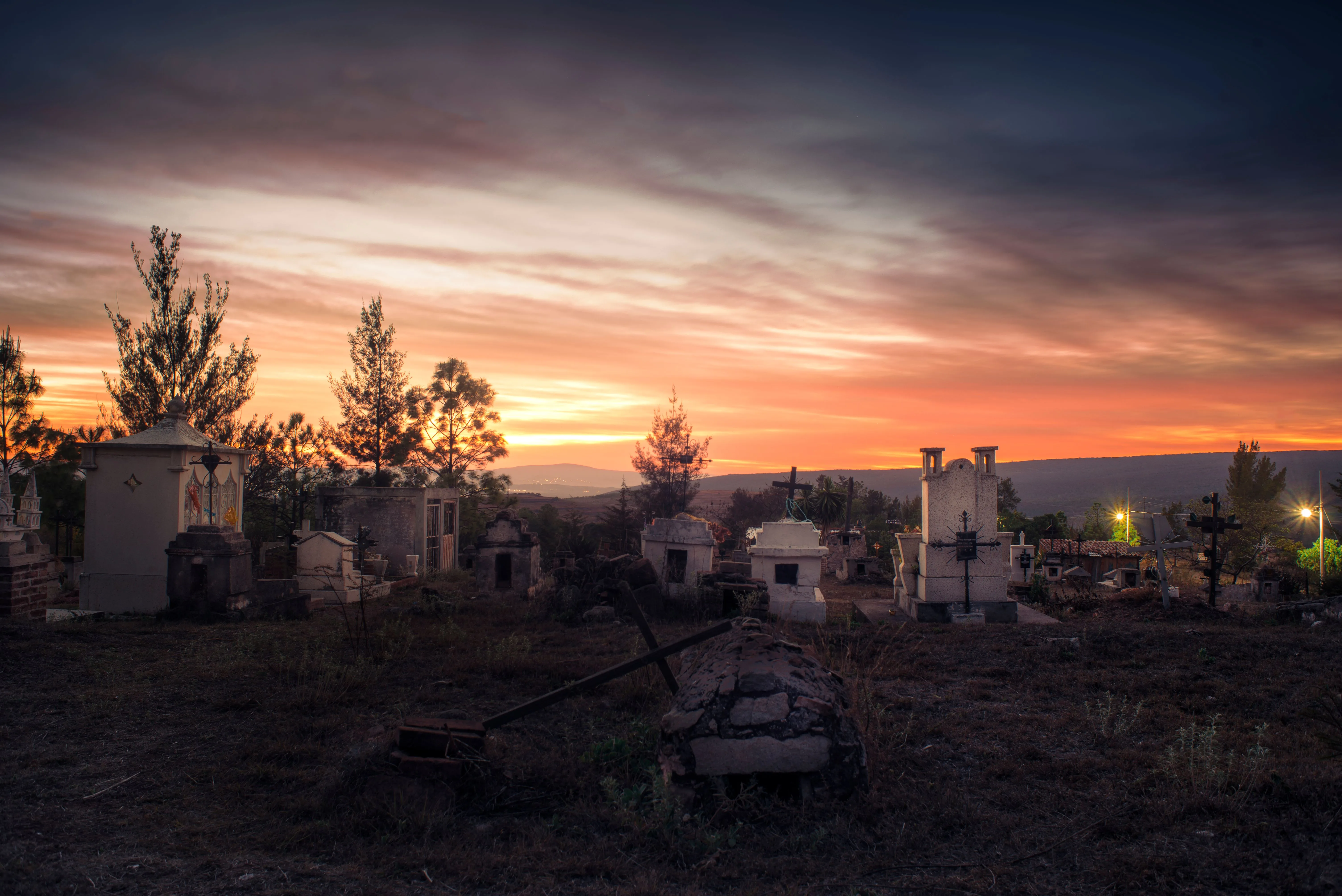
  • Soil Shifting and Subsidence: The earth beneath a headstone is rarely static. Freezing ground heaves upward, while decaying organic matter or naturally settling soil causes the ground to sink. This constant subterranean shifting causes headstones to lean. If left uncorrected, a leaning headstone will eventually topple over, frequently leading to catastrophic fractures upon high-impact with the ground.
  • Improper Human Interference: Ironically, well-meaning humans are often the absolute greatest threat to a headstone’s longevity. Individuals attempting to clean historic monuments frequently cause severe, irreversible damage. The use of harsh wire brushes, high-pressure power washers, or caustic household chemicals like bleach can permanently strip away the protective outer layer of the stone, drastically accelerating its eventual demise.

Preservation: How to Extend a Headstone’s Lifespan

While we cannot completely halt the march of time, proper maintenance and care can significantly slow down the degradation process. The golden rule of all cemetery preservation is simple: Do No Harm.

Best Practices for Monument Care

  • Gentle Cleaning Solutions: Never, under any circumstances, use household detergents, bleach, or acidic cleaners. Use only non-ionic detergents or specialized biological solutions formulated explicitly for historic masonry (such as D/2 Biological Solution, which safely kills organic growth over time without harming the stone).
  • Soft Tools Only: Discard the wire brushes, metal scrapers, and abrasive scouring pads immediately. Use only natural bristle brushes, soft plastic scrapers (like spatulas), and plenty of clean, low-pressure water.
  • Resetting and Repair: If a stone is leaning severely or has tragically broken, do not attempt to fix it with standard construction adhesives or Portland cement. Portland cement is much harder than historic stone and will cause further, more severe cracking. Always consult a professional monument conservator who utilizes specialized, breathable lime mortars and specialized epoxy resins.
  • Avoid Sealants: Never apply waterproof sealants, waxes, or clear coats to natural stone markers. Stone needs to “breathe” naturally to allow trapped ground moisture to evaporate. Trapping water inside the stone with a sealant practically guarantees severe freeze-thaw damage during the very next winter.

Conclusion

The durability of headstones over time reveals a fascinating, ongoing intersection of geology, atmospheric chemistry, and human history. While softer sedimentary and metamorphic materials like sandstone and marble inevitably succumb relatively quickly to the relentless ravages of acid rain and freezing winters, incredibly resilient materials like dense granite and tightly foliated slate successfully prove that human memory can indeed be preserved for many centuries.

Ultimately, the survival of these sacred monuments depends not just on the inherent geological strength of the rock, but on the careful, educated vigilance of the living. By truly understanding the complex forces of decay and strictly employing gentle, scientifically sound preservation techniques, we can confidently ensure that these vital historical records continue to stand as silent, enduring sentinels for many generations to come.

Frequently Asked Questions

No. Installation is not included in the product price, but we coordinate the process and can help arrange a trusted local installer.