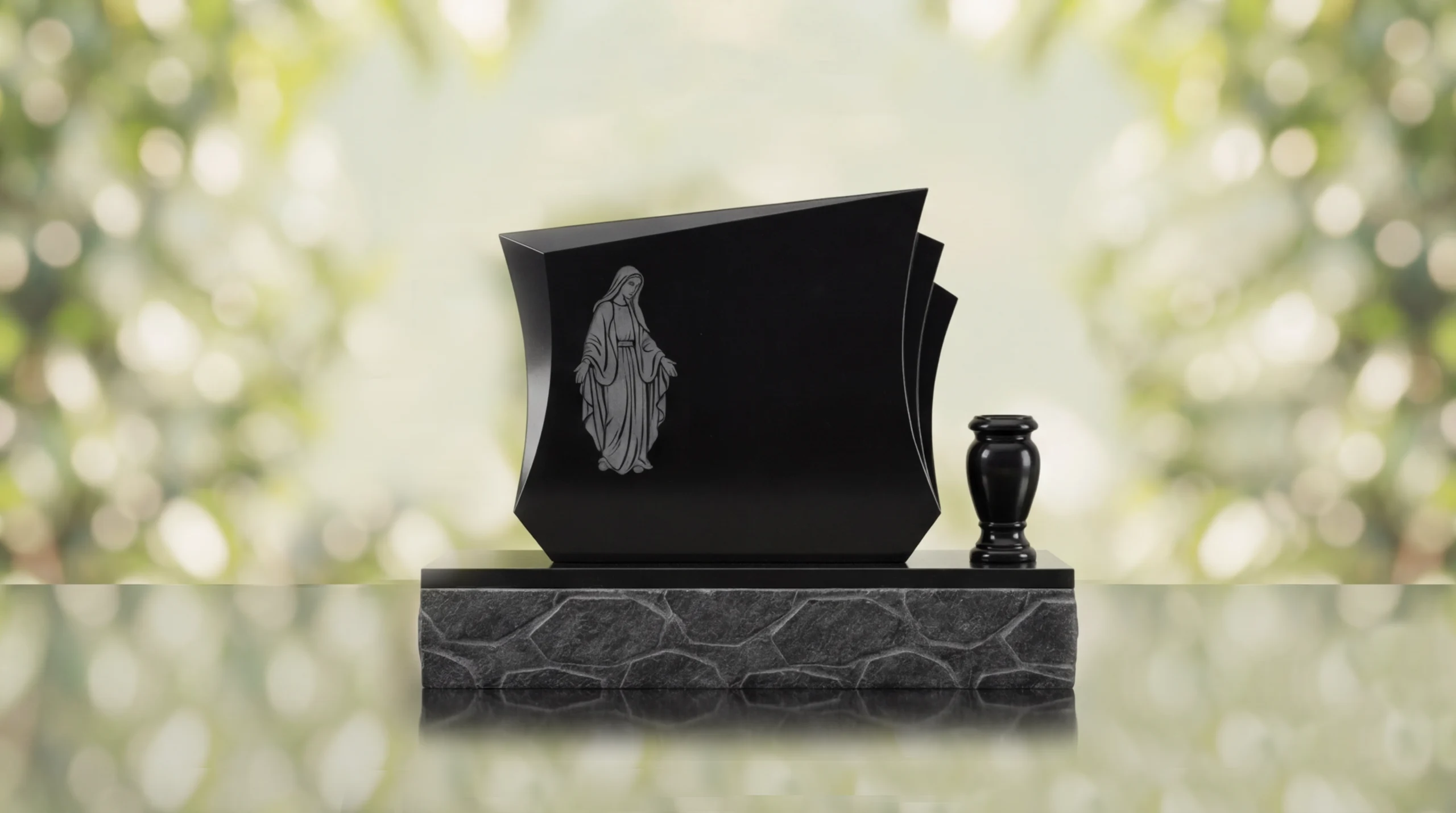
Since the dawn of civilization, humanity has felt an intrinsic, profound need to remember. We build monuments, memorials, and shrines not merely to mark a physical location, but to anchor abstract memories, collective grief, and historic triumphs into the tangible world. A memorial is much more than a collection of stones or cast bronze; it is a meticulously crafted psychological landscape. Every architectural choice, every chosen material, and every carved symbol is part of a complex visual language designed to evoke specific emotions and convey lasting messages across generations.
Understanding the symbolism and design elements in memorials allows us to decode these silent sentinels of history. It reveals how architects, sculptors, and communities navigate the delicate balance between mourning a loss and celebrating a legacy. From the towering obelisks of ancient empires to the sunken, reflective landscapes of contemporary remembrance, the evolution of memorial design is a testament to our changing relationship with mortality, heroism, and memory itself.
The Power of Shape and Architectural Form
The overarching shape of a memorial dictates the viewer’s physical and emotional relationship with the space. Form is the foundational element of any memorial design, guiding the eye and positioning the human body in a posture of reverence, awe, or introspection.
- The Obelisk: Originating in ancient Egypt, the obelisk is one of the oldest and most enduring memorial forms. Its tall, tapering, four-sided structure, culminating in a pyramid-like apex, was originally designed to catch the first rays of the morning sun, symbolizing the creator god Ra. In modern contexts, such as the Washington Monument, the obelisk represents unyielding strength, stability, and a bridge connecting the earthly realm to the divine. It draws the viewer’s gaze upward, encouraging feelings of aspiration and transcendence.
- The Arch: Triumphal arches, popularized by the Roman Empire (such as the Arch of Titus), were initially constructed to commemorate victorious generals. The arch symbolizes a gateway or a transition from one state to another—often from war to peace, or from mortal life to eternal glory. When passing through an arch, the visitor physically enacts a journey, stepping into a sacred or celebrated space.
- The Dome: Often found in mausoleums and pantheons, the dome is the architectural embodiment of the celestial sphere. It represents the vault of heaven, offering a sense of universal protection, eternity, and cosmic order. The acoustics beneath a dome also force a hushed, reverent atmosphere, naturally quieting the voices of visitors.
- The Wall: While historically walls were used to divide or defend, in modern memorial architecture, they are used to ground the viewer and confront them with reality. The most famous example is Maya Lin’s Vietnam Veterans Memorial. A wall cuts into the earth, creating a wound-like presence. It provides a vast canvas for naming—an essential act of individualizing mass loss—and acts as a literal and metaphorical mirror when made of polished stone.
Material Matters: The Language of Substance
The medium is indeed the message when it comes to memorials. The materials selected by a designer speak volumes about how a person or event is meant to be remembered. Durability, texture, and how a material interacts with the elements all play crucial roles.
- Granite: The undisputed king of memorial materials. Granite is an igneous rock, incredibly hard and resistant to weathering. It symbolizes permanence, resilience, and an unyielding legacy. When polished, it can reflect the surrounding world; when left rough, it conveys raw, natural strength.
- Marble: Classical, luminous, and smooth, marble has been favored by sculptors since antiquity due to its workability. It represents purity, grace, and classical ideals. However, marble is vulnerable to acid rain and environmental degradation, giving it a tragic, ephemeral quality over centuries—a reminder that even stone eventually yields to time.
- Bronze: An alloy of copper and tin, bronze is used to cast intricate, highly detailed figurative sculptures. It is prized for its tensile strength and its ability to capture dynamic movement and emotional facial expressions. Over time, bronze develops a patina (usually a green or brown oxidation), which symbolizes the graceful aging of memory and the passage of time.
- Glass and Steel: Contemporary memorials often incorporate these industrial materials. Glass introduces transparency, fragility, and the interplay of light, suggesting the delicate nature of life and the piercing clarity of truth. Steel, especially weathering steel (Corten), rusts to a protective outer layer, conveying a sense of enduring the harshness of the elements while remaining structurally sound.
Elements of Life: Light, Water, and Nature
To prevent memorials from becoming sterile landscapes of death, designers frequently incorporate kinetic, natural elements. These features introduce movement, sound, and a sense of ongoing life into static environments.
- Water: Perhaps the most versatile element in memorial design. Water can be used as a calm, reflective mirror (representing peace and introspection) or as a turbulent, cascading waterfall (representing the passage of time, the shedding of tears, and the cleansing of the soul). The National 9/11 Memorial in New York utilizes massive, recessed waterfalls to create a powerful sensory experience of absence and the continuous flow of time into a seemingly bottomless void.
- Light: Light is a universal symbol for the soul, truth, hope, and divine presence. The “Eternal Flame” (such as the one at John F. Kennedy’s grave) represents a memory that will never be extinguished. Modern memorials often use deliberate alignments to capture sunlight on specific anniversaries, or employ upward-facing spotlights to create pillars of light that stretch into the night sky, acting as immaterial monuments.
- Flora and Landscaping: Trees and plants signify the cycle of life, death, and rebirth. Deciduous trees, which lose their leaves in winter and bloom in spring, are powerful metaphors for resurrection and enduring hope. Specific plants carry established symbolic weights: the weeping willow represents sorrow, the oak signifies strength, and the poppy has become the global symbol of remembrance for soldiers fallen in battle.
Universal Symbols in Funerary and Memorial Art
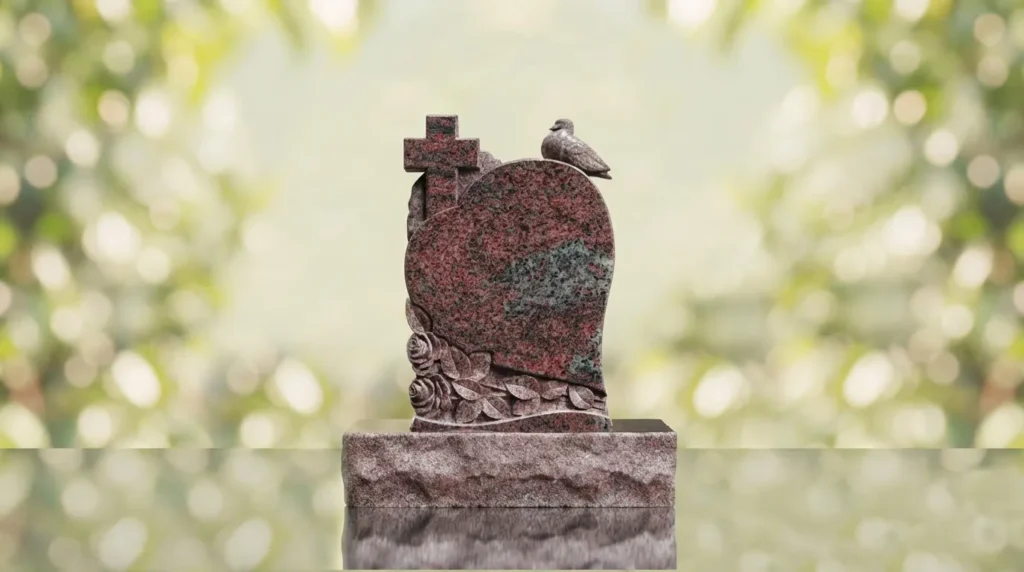
Beyond macro-architectural choices, memorials are often adorned with specific, culturally ingrained micro-symbols. Originating largely from Victorian cemetery art and classical antiquity, these carvings provide immediate, silent narratives about the deceased.
- The Broken Column: A poignant and immediately recognizable symbol indicating a life cut short, often used for someone who died young or in the prime of their life. It represents an unfinished journey and the sudden interruption of potential.
- The Draped Urn: The urn is a classic symbol of mourning, originating from the ancient practice of cremation. The drapery or veil covering it represents the separation between the realm of the living and the realm of the dead, or the protective shroud of mourning.
- The Laurel Wreath: Woven from the leaves of the bay laurel, this circular symbol represents eternity (as a circle has no beginning or end) and victory. In a memorial context, it signifies the triumph of the soul over death or a victorious, honorable life.
- Hands: The positioning of hands is deeply symbolic. Clasped hands often represent a farewell or the promise of reuniting in the afterlife. Hands pointing upward indicate the soul’s ascent to heaven, while hands pointing downward symbolize God descending from heaven to take the soul.
- Birds and the Dove: The dove is a ubiquitous symbol of peace, purity, and the Holy Spirit in Christian traditions. More broadly, birds in flight represent the soul escaping the physical confines of the body and ascending to a higher plane.
Traditional vs. Contemporary Memorial Design
The philosophy of how we remember has shifted dramatically over the last century. Following the mechanized, mass devastation of the World Wars, the traditional language of triumphant generals on horseback felt inadequate to express the sheer scale of collective tragedy. This sparked a revolution in memorial design.
| Feature | Traditional Memorials (Pre-20th Century) | Contemporary Memorials (Late 20th Century – Present) |
| Primary Focus | The Hero / The Individual Leader | The Victims / The Collective Experience |
| Form & Structure | Vertical, elevating the subject (pedestals, obelisks, statues). | Horizontal, integrated into the earth, sunken, or spreading outward. |
| Emotional Tone | Triumphant, victorious, glorifying, didactic. | Somber, reflective, ambiguous, encouraging personal interpretation. |
| Visitor Interaction | Passive viewing from a distance; looking up at the monument. | Active participation; walking through the space, touching, reflecting. |
| Aesthetic Style | Figurative realism, classical ornamentation. | Abstract minimalism, geometric forms, stark landscapes. |
| Use of Names | Names of commanding officers; rarely the common soldier. | Exhaustive listing of individual victims to emphasize scale (e.g., Vietnam Wall). |
The Evolution: From Object to Experience
The most profound shift in memorial design is the transition from “monument as object” to “memorial as experience.” Contemporary designers understand that grief is not a static emotion; it is a process. Therefore, modern memorials are designed as journeys.
A prime example is the Memorial to the Murdered Jews of Europe in Berlin, designed by Peter Eisenman. It consists of 2,711 concrete slabs (stelae) of varying heights arranged in a grid pattern on a sloping field. There is no central focal point, no singular statue to look at, and no prescribed path to walk. As visitors enter the grid, the ground undulates, and the stelae grow taller, eventually towering over them.
The design strips away comforting classical symbols and instead utilizes space to evoke feelings of isolation, disorientation, and systemic oppression. The architecture itself becomes a visceral representation of the history it commemorates. It demands that the visitor physically navigate the unease, transforming the act of remembering from a passive visual exercise into an active, somatic experience.
Similarly, the National Memorial for Peace and Justice in Alabama, which commemorates victims of lynching, uses suspended steel columns. As visitors walk through the structure, the floor descends, leaving the columns hanging above them—a haunting and unmistakable visual metaphor that forces a confrontation with the brutal realities of history.
Conclusion
Memorials are the physical vocabulary of human memory. Through the thoughtful application of shape, material, natural elements, and deep-rooted symbolism, these spaces do far more than mark a point in time. They offer solace to the grieving, provide a canvas for collective contemplation, and serve as stark warnings or profound inspirations for future generations.
Whether it is the enduring strength of a granite obelisk, the delicate interplay of light through a glass facade, or the somber reflection of one’s own face in a polished dark wall, the design elements of memorials ensure that the echoes of the past continue to resonate in the present. They remind us that while life is transient, the stories we carve into stone, cast in bronze, and weave into the landscape have the power to endure eternally.