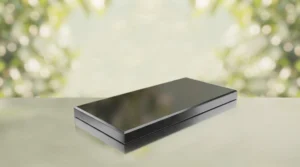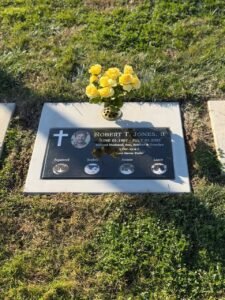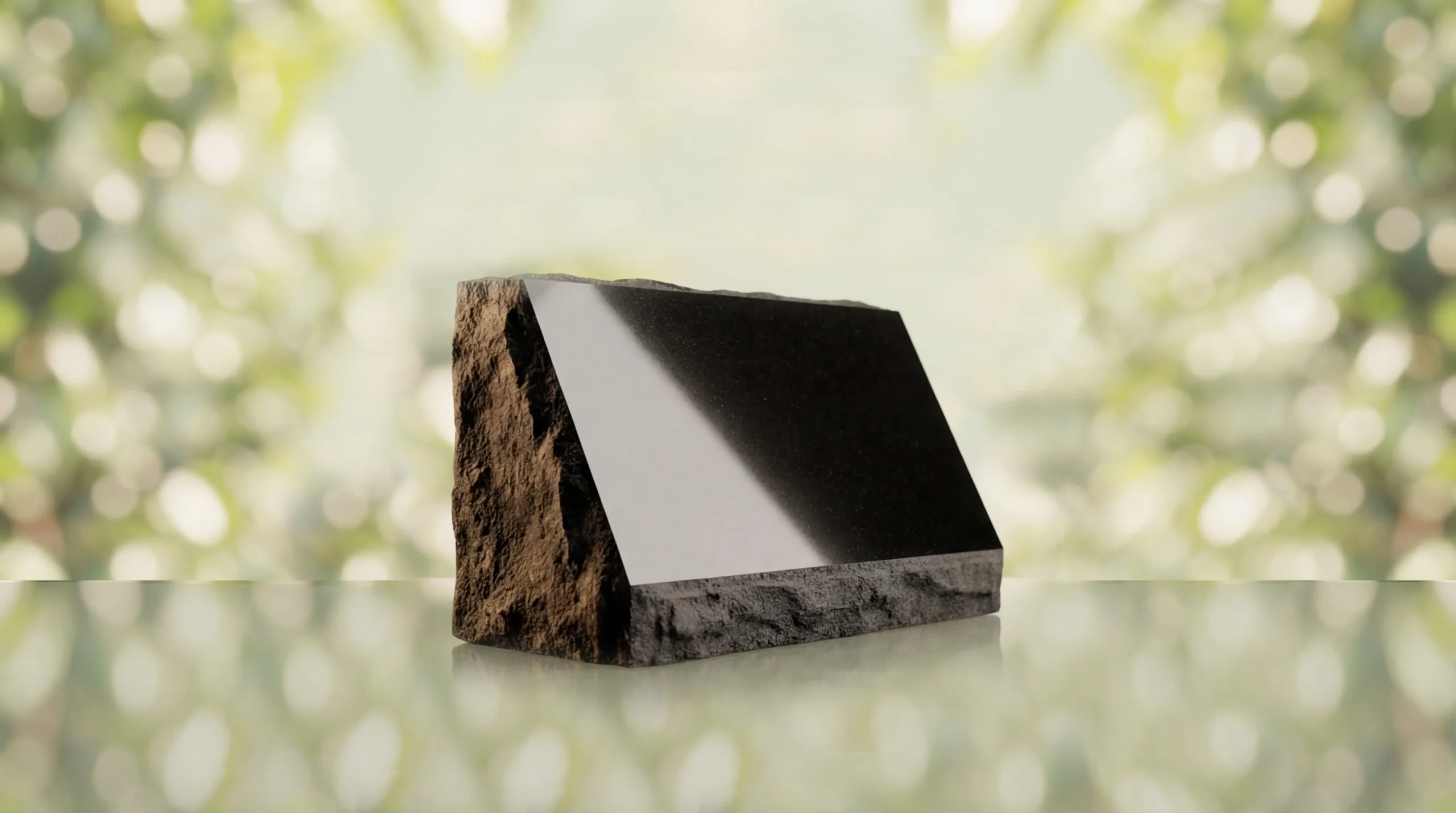
Choosing a memorial for a departed loved one is a profoundly personal and emotionally significant process. Among the myriad of options available in the monumental industry, slant headstones have emerged as a highly favored choice for families seeking a balance between the prominent visibility of an upright monument and the understated elegance of a flat marker. A slant headstone is uniquely designed with a steep, angled face that slopes backward, allowing the inscription to be easily read from a distance without the need to stand directly over the grave.
This comprehensive guide delves deeply into the world of slant headstones. We will explore the architectural styles, the diverse materials used in their creation, the intricate personalization options, and the stringent cemetery regulations that must be navigated before a memorial can be installed. Whether you are pre-planning your own estate or honoring a family member, understanding these facets will empower you to make a choice that endures for generations.
1. Understanding the Slant Headstone
A slant headstone, often referred to as a “slant marker,” typically stands between 14 to 18 inches tall. The back of the stone is usually completely vertical (straight up and down), while the front face is cut at a distinct angle—often around 45 degrees. This geometric design creates a wide, stable base at the bottom that tapers toward the top.
Because of its wide bottom, a slant headstone can be installed directly onto a concrete foundation. However, many families choose to elevate the aesthetic by placing the slant stone on top of a flat granite base. This base not only adds height and presence to the memorial but also protects the primary stone from lawnmowers, weed whackers, and ground settling.
2. Popular Styles and Architectural Designs
Slant headstones are not a one-size-fits-all product. Monument makers craft these stones into various styles to accommodate different tastes, cultural traditions, and practical needs.
Key Styles of Slant Headstones:
- Traditional Slant (Serpentine Top): This is the most classic and widely recognized style. The top edge of the headstone features a gently curving, wave-like shape known as a serpentine top. This softens the hard angles of the stone, giving it a peaceful, flowing aesthetic.
- Oval or Straight Top Slant: For those who prefer minimalist or modern designs, straight-top slants feature a perfectly horizontal top edge. Oval tops offer a slight, uniform upward curve without the undulating wave of the serpentine design.
- Western Slant: The Western slant is unique because the slanted front face continues all the way down to the very bottom edge of the stone. In a traditional slant, there is usually a small vertical drop (about 2 inches) at the bottom front before the angle begins, which is called a “nosing.” The Western slant eliminates this nosing for a sleek, continuous slope.
- Single vs. Companion Slants: A single slant is designed to mark the resting place of one individual and is usually 24 inches wide. A companion slant is wider (typically 36 to 48 inches wide) and provides ample canvas space to engrave the names, dates, and epitaphs of two people, usually spouses, resting side by side.
3. Materials Used in Slant Headstones
The material chosen for a headstone dictates not only its visual appeal but also its longevity, maintenance requirements, and the types of engraving techniques that can be applied to it.
- Granite: By a wide margin, granite is the most popular material for slant headstones. It is an igneous rock formed from volcanic magma, making it incredibly dense, hard, and resistant to environmental degradation. Granite withstands harsh winters, acidic rain, and intense sunlight without fading. Furthermore, it is available in a stunning array of colors. Georgia Gray and Dakota Mahogany are classic choices, while Premium Black or Jet Black granite provides a striking contrast that is highly recommended for detailed laser-etched portraits. Other popular colors include Blue Pearl (which features iridescent blue flecks), India Red, and Paradiso.
- Marble: White marble has been used for centuries in classical sculpture and historic cemeteries. It offers a soft, luminous elegance that is difficult to replicate. However, marble is much softer and more porous than granite. Over decades, exposure to acidic rain and environmental pollutants can cause the intricate carvings and lettering on a marble slant to blur or wash away. Consequently, while beautiful, it requires more maintenance and is chosen less frequently today.
- Bronze on Granite: While standard slant headstones are carved directly from stone, some families opt for a hybrid approach. A bronze plaque, cast with the deceased’s information, is securely mounted onto the slanted face of a granite base. Bronze develops a natural patina over time, offering a distinguished, timeless look, while the granite provides a heavy, unyielding foundation.
4. Comparison Table: Slant vs. Flat vs. Upright
To better understand where slant headstones fit within the broader memorial landscape, consider the following comparison between the three primary types of cemetery markers.
| Feature | Slant Headstones | Flat Markers (Flush) | Upright Monuments |
| Visibility | Excellent. Angled face allows reading from a distance without standing over the grave. | Low. Sits flush with the grass; must be viewed from directly above. | Maximum. Tall and highly visible from across the cemetery. |
| Cost Range | Moderate. More expensive than flat markers, but significantly less than uprights. | Lowest. Uses the least amount of material and requires minimal labor. | Highest. Requires large blocks of stone, a base, and complex installation. |
| Cemetery Acceptance | High, though some “memorial park” sections strictly require flat markers. | Universally accepted. Required in many modern “lawn-park” cemeteries. | Moderate. Restricted to specific sections; older cemeteries favor them. |
| Space for Design | Moderate to High. Enough room for names, dates, an epitaph, and small art. | Limited. Primarily restricted to basic names, dates, and minimal artwork. | Abundant. Allows for extensive family history, large artwork, and statues. |
| Maintenance | Low. The angle allows rain to wash away debris naturally. | High. Frequently covered by grass clippings, mud, and snow. | Low. Highly elevated off the ground, avoiding lawncare damage. |
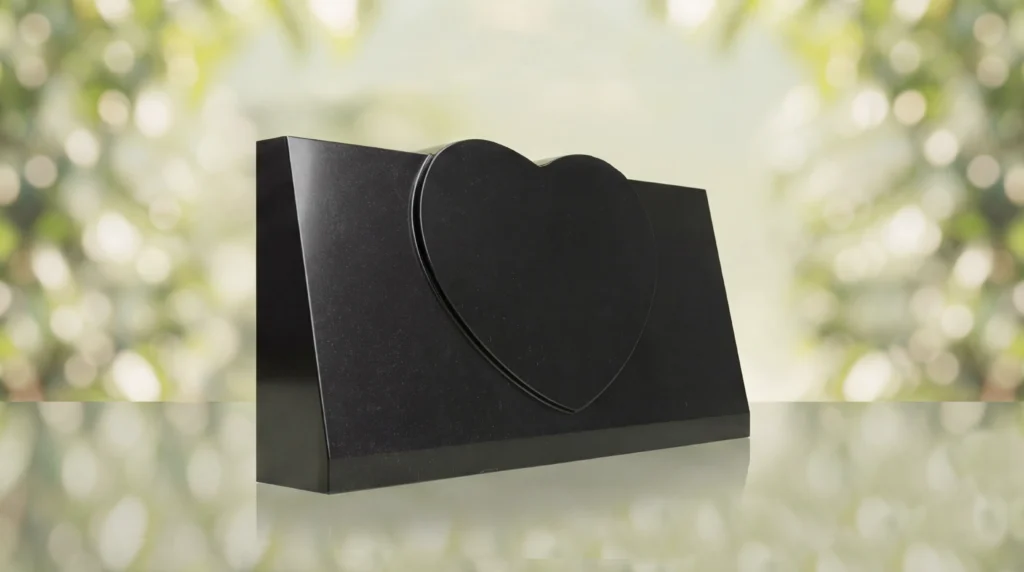
5. Navigating Cemetery Burial Regulations
One of the most critical steps in purchasing a slant headstone is verifying your cemetery’s specific rules and regulations. Every cemetery has a governing board that dictates exactly what can and cannot be placed on their grounds. Failing to secure cemetery approval prior to ordering a stone can result in a costly mistake, as the cemetery holds the right to reject delivery of any non-compliant monument.
Common Regulations to Verify:
- Size and Dimension Limits: Cemeteries strictly regulate the minimum and maximum height, width, and thickness of headstones. For example, a single grave plot may be restricted to a slant headstone no wider than 24 inches.
- Material Restrictions: While granite is almost universally accepted, some cemeteries ban marble entirely due to its tendency to weather poorly and break over time. Others may mandate specific granite colors to maintain uniformity in a particular section of the grounds.
- Base Requirements: Some cemeteries require that all slant headstones be installed on a flat granite base (often with a 2-inch polished margin), while others allow the slant to be set directly on the concrete foundation.
- Foundation Fees and Installation: Headstones cannot simply be placed on dirt; they require a concrete foundation poured below the frost line to prevent sinking and shifting. Cemeteries usually charge a “foundation fee” based on the square footage of the stone. In many cases, only the cemetery’s internal union staff is legally permitted to pour the foundation and install the stone.
- Religious and Aesthetic Rules: Cemeteries affiliated with specific religious institutions may require certain symbols (such as a cross or a Star of David) to be included in the design. Conversely, they may prohibit secular or non-traditional imagery.
6. Personalization and Engraving Techniques
A slant headstone serves as a blank canvas to tell the story of a lifetime. The angled face provides an excellent surface for various engraving methods.
- Sandblasting: The traditional method of engraving stone. A rubber stencil is applied to the granite, and high-pressure sand is used to carve deeply into the exposed areas. This creates beautifully deep, shadowed letters and traditional artwork (like floral borders, religious icons, or military emblems).
- Laser Etching: Utilizing computerized lasers, artisans can etch highly detailed, photorealistic images directly onto the stone. This technique works exclusively on dark, finely-grained granites (like Jet Black). Families often use laser etching for portraits of the deceased, sweeping landscape scenes, or intricate depictions of a favorite hobby, such as a beloved classic car or a fishing cabin.
- Ceramic Portraits: For stones where laser etching isn’t viable (such as lighter gray or pink granites), a porcelain or ceramic cameo photo can be recessed into the stone. These are kiln-fired to resist fading from UV light and offer a full-color representation of the loved one.
- Epitaphs: The wide face of a slant provides ample room for meaningful quotes. From simple phrases like “Forever in Our Hearts” to favorite Bible verses or lines of poetry, the epitaph adds a deeply personal touch.
7. Maintenance and Longevity
Slant headstones are designed to last for centuries, but they do benefit from occasional maintenance to keep them looking pristine. The slanted design naturally assists in self-cleaning, as rain easily washes away dust and leaves. However, over time, hard water deposits, bird droppings, or lichen may accumulate.
When cleaning a granite slant headstone, it is crucial to use only non-ionic soaps and clean water. Harsh chemicals, bleach, and wire brushes should be strictly avoided, as they can strip the polish from the granite and permanently damage the stone. A soft bristle brush or a natural sponge is usually all that is needed. If the stone has a base, trimming the grass around the base will prevent moisture entrapment and organic staining.
Conclusion
A slant headstone is a dignified, beautiful, and practical choice for memorializing a loved one. By combining the substantial presence of an upright monument with a cost-effective and highly visible design, it serves as a perfect tribute. By carefully selecting the right style, choosing a durable granite, exploring creative personalization options, and rigorously adhering to your local cemetery’s regulations, you can ensure the creation of a stunning monument. This stone will stand as an enduring testament to a life well-lived, offering a peaceful place of reflection for generations of family and friends to come.