Since the dawn of human civilization, the ways in which we honor the dead have served as a profound reflection of our beliefs regarding life, mortality, and the afterlife. Headstones, monuments, and grave markers are far more than mere indicators of a final resting place; they are enduring historical documents, canvases for religious devotion, and testaments to human love.
Across different religions, cultures, and historical epochs, the traditions surrounding these markers vary dramatically. From the elaborate, symbol-rich monuments of the Victorian era to the stark, uniform simplicity mandated by Islamic tradition, headstones offer a fascinating lens through which to view human diversity. This comprehensive guide explores the unique headstone traditions, symbols, inscriptions, and practices across major world religions and distinct cultural paradigms.
1. Christian Traditions: Symbols of Resurrection and Hope
Christianity, with its diverse denominations, encompasses a wide array of headstone traditions. However, the overarching theme across most Christian markers is the belief in the resurrection and eternal life. Early Christian markers were often hidden or subtle due to persecution, but over centuries, they evolved into elaborate expressions of faith.
Common Characteristics and Symbols
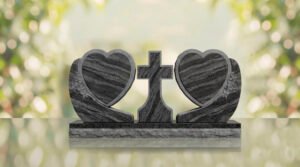
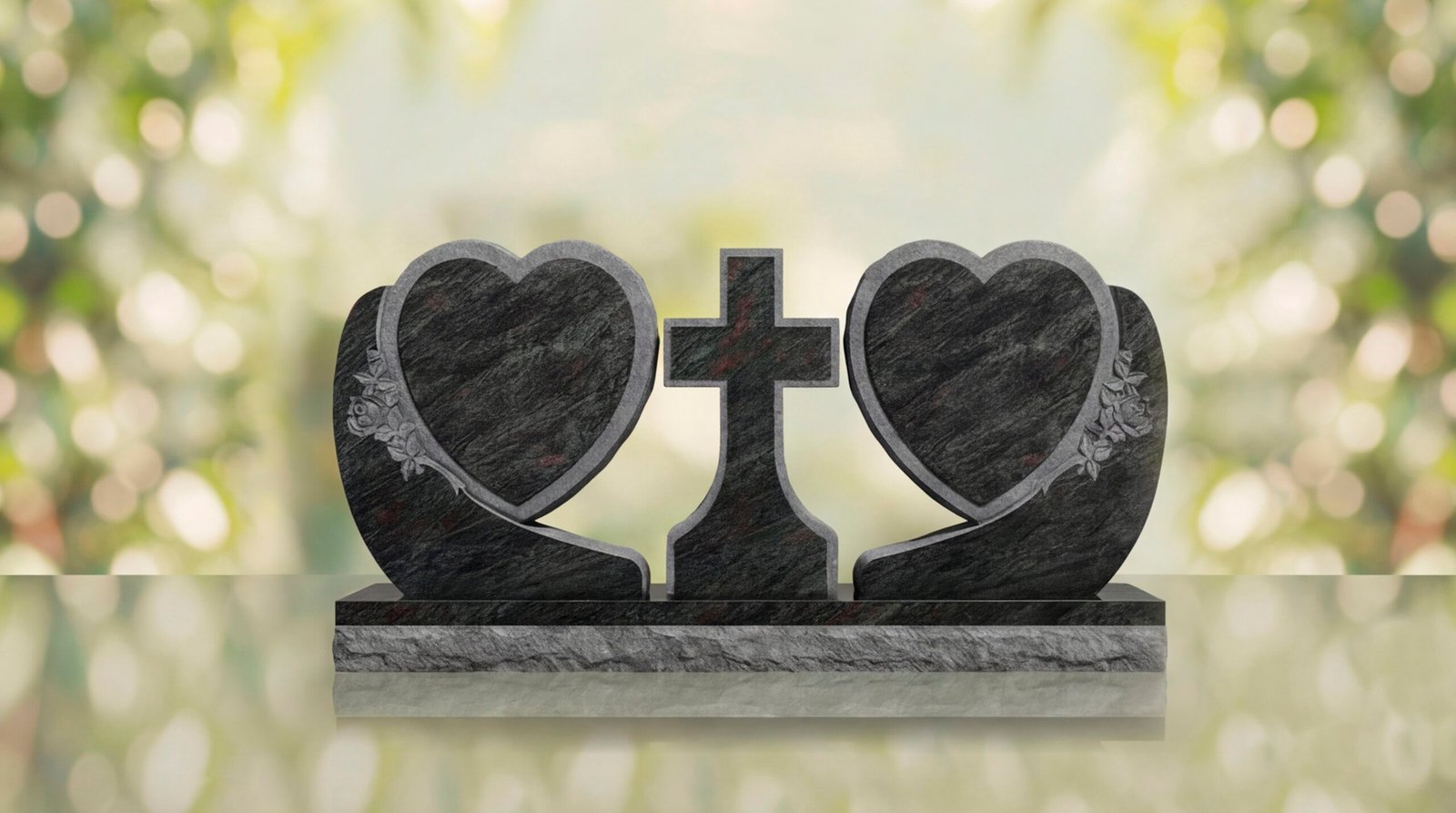
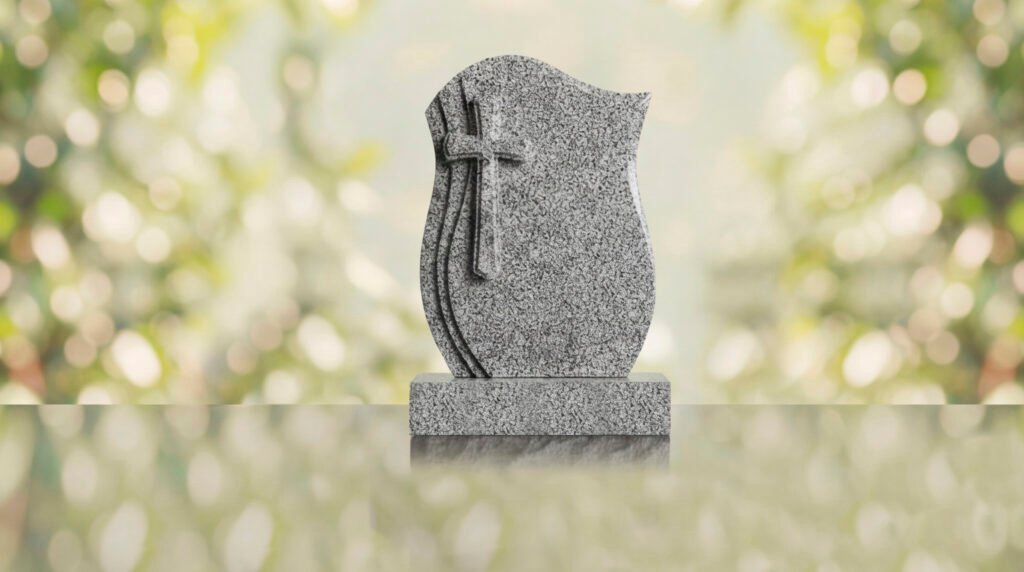
- The Cross: The most universal symbol of Christianity, representing the crucifixion and resurrection of Jesus Christ. Variations exist, such as the Latin cross (most common in Western Christianity), the Celtic cross (featuring a ring representing eternity, common in Irish and Scottish heritage), and the Eastern Orthodox cross (featuring three horizontal bars).
- Angels: Often depicted as guardians of the tomb, messengers of God, or escorts leading the soul to heaven. The posture of the angel (weeping, pointing upward, or holding a trumpet) conveys different theological messages.
- The Dove: A representation of the Holy Spirit, peace, and purity. A dove flying upward symbolizes the soul ascending to heaven.
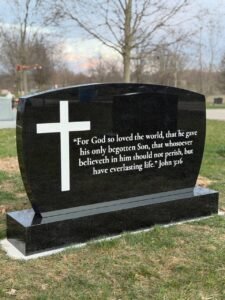
- Biblical Inscriptions: It is customary to include verses from the Bible that offer comfort and speak of eternal life, such as John 11:25 (“I am the resurrection and the life”) or Psalm 23 (“The Lord is my shepherd”).
Denominational Nuances
- Catholicism: Often features the crucifix (a cross with the body of Jesus), images of the Virgin Mary, and patron saints. Requests for prayers for the soul of the departed (such as “Rest in Peace” or “Requiescat in Pace”) are standard.
- Protestantism: Tends to favor the empty cross, emphasizing the resurrection rather than the crucifixion. Markers are generally less ornate than Catholic ones, focusing on scripture and personal virtues.
2. Jewish Traditions: Simplicity and Eternal Memory
Jewish funerary traditions are deeply rooted in the principles of equality in death, respect for the body, and the enduring nature of memory. Elaborate displays of wealth are traditionally discouraged to emphasize that in death, all are equal before God.
Common Characteristics and Symbols
- The Star of David (Magen David): The most universally recognized symbol of Jewish identity, frequently engraved at the top of the headstone.
- The Menorah: Often found on the graves of women, symbolizing the traditional role of women lighting the Shabbat candles, bringing light and peace into the home.
- Hands of the Kohen: Hands arranged with the thumbs touching and fingers paired (the priestly blessing) indicate that the deceased was a Kohen, a descendant of the biblical priesthood.
- Hebrew Inscriptions: Headstones almost always include the deceased’s Hebrew name and their father’s Hebrew name (e.g., Yitzhak ben Avraham).
- The Acronym (Tav-Nune-Tzadi-Bet-Hey): Found at the bottom of almost all Jewish markers, an abbreviation for the Hebrew phrase Tehe Nishmato Tzrura B’tzror Ha-Chayim, meaning “May his/her soul be bound in the bundle of life.”
Unique Cultural Practices
- The Unveiling: A headstone is not usually placed immediately. A formal ceremony called the “Unveiling” takes place around the first anniversary of the death, marking the end of the formal mourning period and the placement of the stone.
- Stones of Remembrance: Visitors to a Jewish grave traditionally place a small pebble or stone on the headstone. Unlike flowers, which wither and die, stones are permanent, symbolizing that the memory of the deceased will endure forever.
3. Islamic Traditions: Uniformity and Equality
Islamic traditions regarding death and burial (Janazah) emphasize simplicity, humility, and the swift return of the body to the earth. Ostentatious monuments are generally discouraged, and in many traditional interpretations, strictly forbidden, as they are seen as expressions of worldly vanity.
Common Characteristics and Symbols
- Modesty in Size: Headstones are typically small and unassuming. They are meant simply to identify the grave so that it is not walked upon or disrespected.
- Qibla Orientation: The body is buried facing Mecca (the Qibla), and the headstone is aligned accordingly.
- Arabic Calligraphy: If inscriptions are used, they are usually in Arabic. They often feature the Shahada (the declaration of faith: “There is no God but Allah, and Muhammad is His messenger”) or brief verses from the Quran.
- Absence of Imagery: Islamic art and tradition prohibit the depiction of sentient beings (humans or animals) to avoid idolatry. Therefore, you will not find statues or portraits on traditional Muslim graves.
- The Crescent and Star: While sometimes used to denote a Muslim grave in mixed-religion cemeteries, it is more of a cultural or political symbol than a strictly religious one, and many traditionalists avoid it.
4. Eastern Traditions: Reincarnation and Transience
Eastern religious philosophies, primarily Hinduism and Buddhism, possess a fundamentally different view of the body after death, which drastically alters their memorial traditions.
Hinduism
- Cremation over Burial: Central to Hinduism is the belief in reincarnation. The physical body is seen as a temporary vessel. Therefore, cremation (Antyesti) is the standard practice, meant to release the soul so it can continue its journey.
- Absence of Headstones: Because bodies are cremated and the ashes are traditionally immersed in a sacred river (like the Ganges), traditional headstones are virtually non-existent in Hindu culture.
- Memorialization: Families may keep a small shrine at home with a photograph and offer daily prayers, but physical markers in public cemeteries are not a traditional Hindu practice.
Buddhism
- Variety in Practice: Buddhist traditions vary wildly between Tibet, Japan, Southeast Asia, and the West. Both cremation and burial are practiced, though cremation is highly prevalent.
- The Stupa/Pagoda: For prominent monks or teachers, relics or ashes might be housed in a stupa—a mound-like or hemispherical structure used as a place of meditation.
- Japanese Gorintō: In Japan, a specific type of marker called a Gorintō is common. It consists of five geometric shapes stacked vertically, representing the five elements of Buddhist cosmology: earth, water, fire, wind, and void.
- Symbols: The Lotus flower (representing purity rising from the mud) and the Dharma Wheel (representing the cycle of rebirth and the Buddha’s teachings) are common motifs.
5. Secular and Cultural Symbolism: The Victorian Era
Beyond strict religious dogma, secular and cultural movements have heavily influenced headstone design. The Victorian era (mid-19th to early 20th century) is particularly notable for its rich, romanticized, and elaborate funerary symbolism. The “Rural Cemetery Movement” turned graveyards into park-like settings for the living to visit.
Prominent Victorian Symbols
- The Weeping Willow: A symbol of nature’s lament, earthly sorrow, and the mourning of those left behind. Often paired with an urn.
- The Broken Column: Signifies a life cut short, often used for someone who died young or in the prime of their life, representing the sudden break in the earthly journey.
- The Clasped Hands: Represents a final farewell, or the hope of reuniting in the afterlife. The sleeves often indicate gender (e.g., a masculine cuff clasping a feminine frilly sleeve).
- The Lamb: Almost exclusively used for the graves of infants and children, symbolizing innocence, purity, and Jesus as the “Lamb of God.”
A Comparative Overview of Traditions
To better understand the distinct approaches to memorialization, the following table summarizes the key components of headstone traditions across the major belief systems discussed.
| Religion / Culture | Common Symbols | Typical Inscriptions | Unique Practices & Philosophy |
|---|---|---|---|
| Christianity | Crosses, Angels, Doves, Praying Hands | Biblical verses, “Rest in Peace,” Dates of birth/death | Wide variety of styles; focus on bodily resurrection and heavenly reward. |
| Judaism | Star of David, Menorah, Hands of the Kohen | Hebrew names, The acronym TNTBH, minimal text | Placing stones instead of flowers; the “Unveiling” ceremony one year after death. |
| Islam | Crescent and Star (cultural), uniform shapes | Quranic calligraphy, Shahada, Arabic names | Extreme simplicity; flat to the ground; graves oriented toward Mecca; no statues. |
| Buddhism | Lotus flower, Dharma wheel, Gorintō (Japan) | Chants, Sutras, posthumous Buddhist names | Focus on the impermanence of life; heavy reliance on cremation and columbariums. |
| Hinduism | N/A (Cremation is standard) | N/A | Ashes scattered in sacred waters; physical markers are rare; focus on the soul’s reincarnation. |
| Victorian (Cultural) | Weeping willow, broken column, draped urn | Poetic epitaphs, elaborate mourning texts | Highly romanticized views of death; cemeteries designed as public parks. |
6. Modern Evolution: Personalization and Ecology
As society moves deeper into the 21st century, headstone traditions continue to evolve. The rigid constraints of historical and religious dogmas are often blended with modern technology and contemporary values.
Technological Advancements
Today, laser etching allows for photorealistic portraits of the deceased, their pets, or their favorite landscapes to be engraved directly onto black granite. Furthermore, some modern headstones include QR codes embedded in the stone or metal plaques. When scanned with a smartphone, these codes direct visitors to online memorials featuring photo galleries, biographies, and videos of the deceased, transforming a static piece of rock into an interactive digital archive.
The Green Burial Movement
Conversely, a growing environmental consciousness has sparked the “green burial” movement. This philosophy rejects embalming fluids, metal caskets, and concrete burial vaults. Consequently, it also rejects large, quarried granite headstones. In natural burial grounds, graves are marked with indigenous plants, unmarked natural fieldstones, or GPS coordinates, reflecting a desire to return to the earth with a minimal ecological footprint.
Conclusion
A stroll through any historical cemetery reveals a silent, yet profoundly articulate dialogue about humanity’s relationship with mortality. Whether it is a towering Celtic cross, a simple, unadorned slab facing Mecca, or a handful of pebbles resting on a Jewish marker, these headstone traditions serve the same fundamental human need. They are our way of saying that a life mattered, that a soul existed, and that while the physical body may return to the dust, the memory of the individual remains etched—quite literally—in stone. Understanding these diverse traditions fosters not only a greater appreciation for global cultures but also a deeper empathy for the universal human experience of grief, remembrance, and the hope for what lies beyond.