Purchasing a headstone is a profoundly personal and often emotional experience. It is a final tribute to a loved one, a permanent marker of their legacy, and a physical space for family and friends to gather, reflect, and remember. Because a monument is designed to stand the test of time, enduring harsh weather and the passing of decades, making the right choice requires careful consideration.
When you are grieving, the logistical complexities of choosing a memorial can feel overwhelming. However, understanding the key components of a quality headstone—ranging from cemetery regulations and material durability to craftsmanship and hidden costs—can empower you to make a decision that honors your loved one beautifully and permanently. This comprehensive guide details exactly what to look for in a quality headstone before making a purchase.
1. Cemetery Rules and Regulations: The Crucial First Step
Before you even begin looking at stone colors or font styles, you must contact the cemetery where the memorial will be placed. This is the most critical step in the process, as almost all cemeteries have strict bylaws governing the types of headstones they allow. Purchasing a monument without consulting the cemetery can result in thousands of dollars wasted on a stone that cannot be installed.
Key questions to ask the cemetery director:
- Size Restrictions: What are the minimum and maximum height, width, and depth requirements for the headstone and the base?
- Material Limitations: Are certain materials (like marble or wood) prohibited? Do they only allow bronze markers on granite bases?
- Style Constraints: Does the specific plot only allow flat markers (to make lawn mowing easier), or are upright monuments and slant markers permitted?
- Color Rules: Are there restrictions on granite colors to maintain a uniform aesthetic in a specific section of the cemetery?
- Edging and Vases: Are flower vases permitted? Do they need to be in-ground (retractable) or can they be permanently mounted?
- Installation Fees: Does the cemetery require their own staff to pour the concrete foundation and set the stone, and what are those setting fees?
2. Choosing the Right Material for Longevity
The material you choose is the foundation of the monument’s quality. A headstone must endure rain, snow, extreme heat, freezing temperatures, and potentially abrasive cleaning over the centuries.
Granite
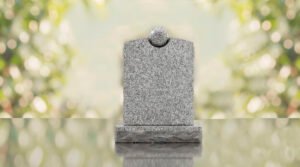
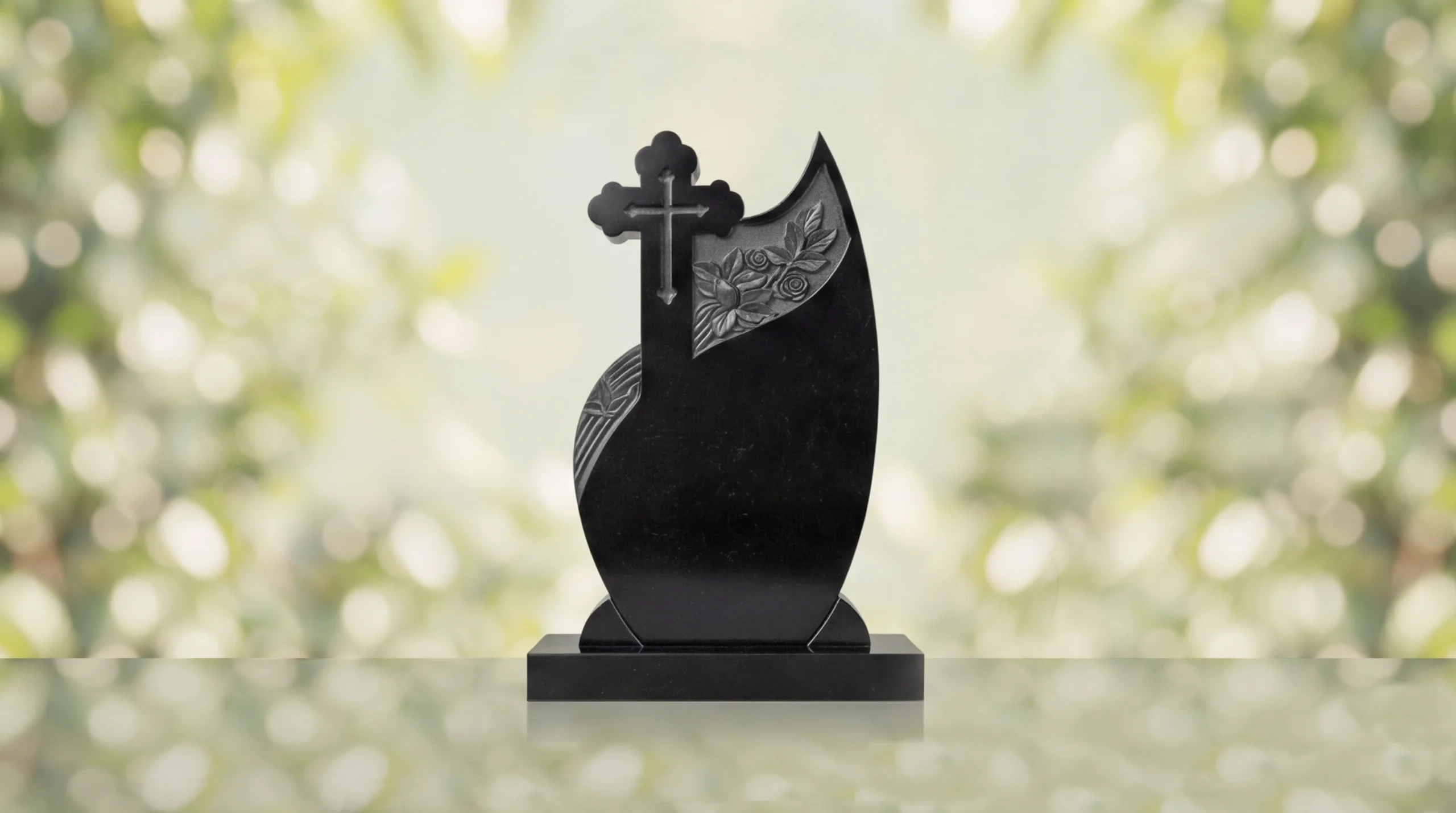
Granite is universally considered the gold standard for high-quality headstones. It is an igneous rock formed from magma, making it incredibly dense, scratch-resistant, and capable of withstanding extreme weather without losing its polish. Furthermore, granite is available in a wide spectrum of colors, including absolute black, traditional greys, rich reds, and deep blues. When choosing granite, inquire about its grade; high-grade granite has a tight grain, which allows for highly detailed, crisp engraving that will not chip easily over time.
Bronze
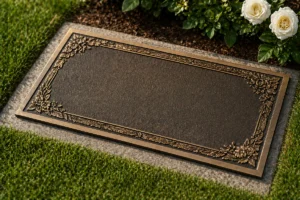
Bronze is an alloy of copper and tin. It is exceptionally durable and is completely impervious to freezing and cracking. Bronze headstones are typically cast into plaques that are then mounted onto a flat granite base. Over time, bronze will naturally oxidize, developing a green or brown patina. While many find this aging process beautiful, a quality bronze marker should come with a factory-applied clear coat to delay oxidation and preserve the original luster for as long as possible.
Marble
Marble is undeniably beautiful, known for its smooth texture and elegant veining. Historically, it was the most popular choice for intricate cemetery statuary. However, marble is composed primarily of calcium carbonate, making it a relatively soft stone that is highly susceptible to environmental degradation. Acid rain and environmental pollutants will slowly dissolve marble over the decades, causing the engraving to blur and the surface to deteriorate into a “sugary” texture. While beautiful, it requires significantly more maintenance than granite.
Comparison Table: Headstone Materials
| Feature | Granite | Bronze | Marble |
| Durability | Exceptional; resists weathering and scratching. | Exceptional; impervious to cracking, but patinas over time. | Low to Moderate; prone to erosion from acid rain and elements. |
| Maintenance | Very low. Requires only occasional washing with water. | Low, but requires specialized cleaning to maintain original shine. | High. Requires frequent, gentle cleaning and sealing. |
| Color Options | Vastly varied (black, grey, red, blue, green, pink). | Typically a standard dark brown/copper tone. | Mostly white or grey with natural veining. |
| Cost | Moderate to High (varies heavily by color/rarity). | High (due to casting and metal costs). | Moderate to High. |
| Best For | Upright monuments, detailed laser etching, long-term durability. | Flat markers, military memorials, modern aesthetics. | Indoor memorials, highly controlled climates, traditional statuary. |
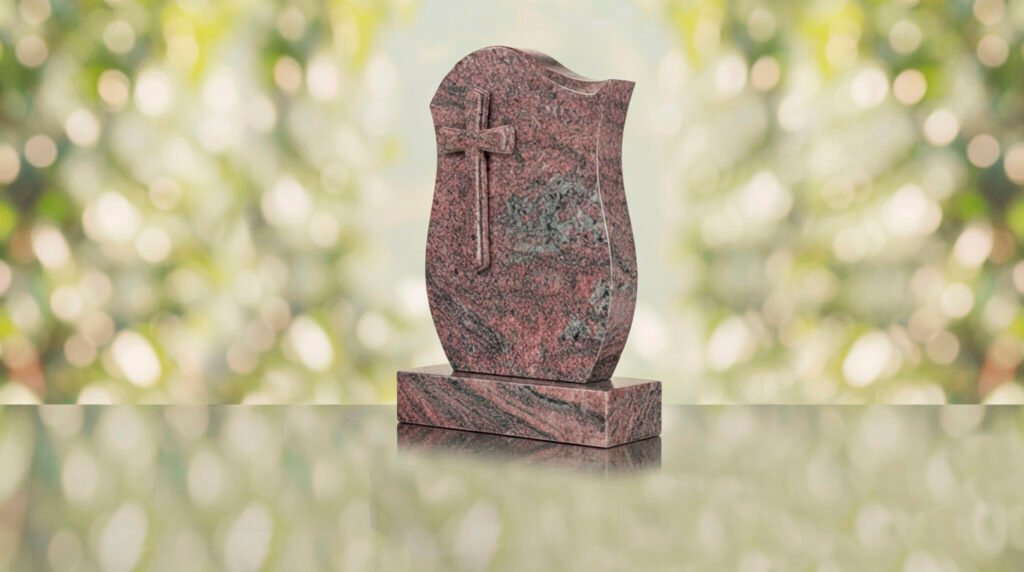
3. Headstone Styles and Shapes
The physical shape of the monument dictates not only its visual impact but also how much space you have for engraving text and imagery. Quality manufacturers will offer stones with precise, symmetrical cuts and well-proportioned dimensions.
- Upright Monuments: The most traditional style, consisting of a vertical “die” sitting on a horizontal “base.” These offer the most surface area for engraving and are highly visible from a distance. Look for seamless joining between the die and the base.
- Slant Markers: These sit directly on the ground or on a base, with the front face cut at a steep angle (usually 45 degrees). They offer a balance between an upright monument and a flat marker.
- Bevel Markers (Pillow Markers): These are low to the ground but have a slight pitch, usually higher at the back than the front. This slight angle keeps water and debris from pooling directly on the lettering.
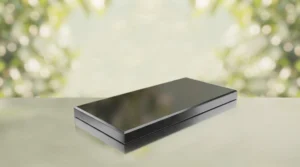
- Flat/Flush Markers: These are set completely flush with the grass. While economical and often required by modern “memorial park” cemeteries for maintenance reasons, they are prone to being overgrown by grass and covered by mud during heavy rains.
4. Quality of Craftsmanship and Engraving
The way a stone is carved is just as important as the stone itself. A high-quality headstone features clear, deep, and precise engraving.
- Sandblasting: This is the traditional method for deeply cutting letters and shapes into granite. Look for sharp, clean edges on the lettering. If the cuts are too shallow, the text will become difficult to read when the stone gets wet or as dirt accumulates in the grooves over the years. Deep, “V-sunk” lettering indicates high-quality craftsmanship.
- Laser Etching: This technique uses a CNC laser to burn away the polish on the stone’s surface, revealing the lighter, unpolished rock beneath. It is perfect for highly detailed portraits or complex scenic images. However, laser etching only works effectively on Absolute Black granite. If a dealer tries to sell you laser etching on a light grey stone, the contrast will be incredibly poor, indicating a lack of expertise.
- Lithichrome Paint: Many engravers use a specialized monument paint (Lithichrome) inside the carved lettering to make it stand out against the stone. While this looks excellent initially, be aware that all paint eventually fades in the sun. A truly high-quality engraving relies on depth and shadow, not just paint, to remain legible.
5. Finish Options
The exterior texture of the stone affects both its appearance and its maintenance needs. A reputable dealer will offer various finishes on different sides of the stone to create contrast.
- Polished: A smooth, glass-like finish that reflects light. It is beautiful, makes engraving pop, and is very easy to clean. Quality headstones often feature a polished face and back.
- Honed: A smooth finish without the glossy shine. It has a matte appearance that feels soft to the touch. This is ideal if you want a classic look without the high glare of a polish.
- Pitched (Rock Pitch): This is a rough, naturally textured, and chipped appearance, typically used on the sides and top edges of upright monuments. A quality pitched edge is hand-chiseled by an artisan to look rustic but deliberate, framing the polished faces beautifully.
6. Budgeting, Hidden Costs, and Warranties
Finally, assessing the quality of a headstone purchase involves looking closely at the business practices of the monument dealer. Transparent pricing and strong guarantees are hallmarks of a reputable company.
When calculating your budget, do not just look at the price tag of the stone itself. Ask for a fully itemized invoice that includes:
- Design and Proofing: Are digital proofs included in the cost, or do they charge extra for revisions?
- Engraving Costs: Is engraving charged per letter, per word, or is a certain amount of text included in a flat rate?
- Delivery Fees: Headstones weigh hundreds to thousands of pounds. Freight and delivery to the cemetery can be a significant hidden cost.
- Cemetery Fees: As mentioned earlier, the cemetery will charge a concrete foundation fee and a setting fee. Ensure you have budgeted for these, as the monument company usually does not pay them on your behalf.
Look for a strong warranty. A quality monument provider should offer a guarantee against natural defects in the granite (like cracking or severe discoloration that is not caused by the environment) and a guarantee on their craftsmanship. If the stone arrives with spelling errors that contradict the final approved proof, the company must be willing to replace or re-cut the stone at their own expense.
Conclusion
Selecting a headstone is a monumental decision, quite literally. By prioritizing durable materials like granite, demanding high-quality engraving techniques, understanding cemetery regulations, and remaining vigilant about hidden costs, you can navigate this difficult process with confidence. A quality headstone is more than just a piece of rock; it is a meticulously crafted testament to a life lived, designed to offer comfort to your family for generations to come. Take your time, ask detailed questions, and choose a memorial that truly honors the memory of your loved one.