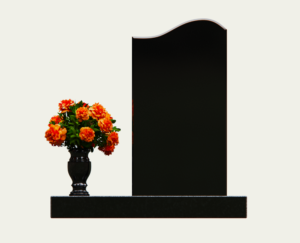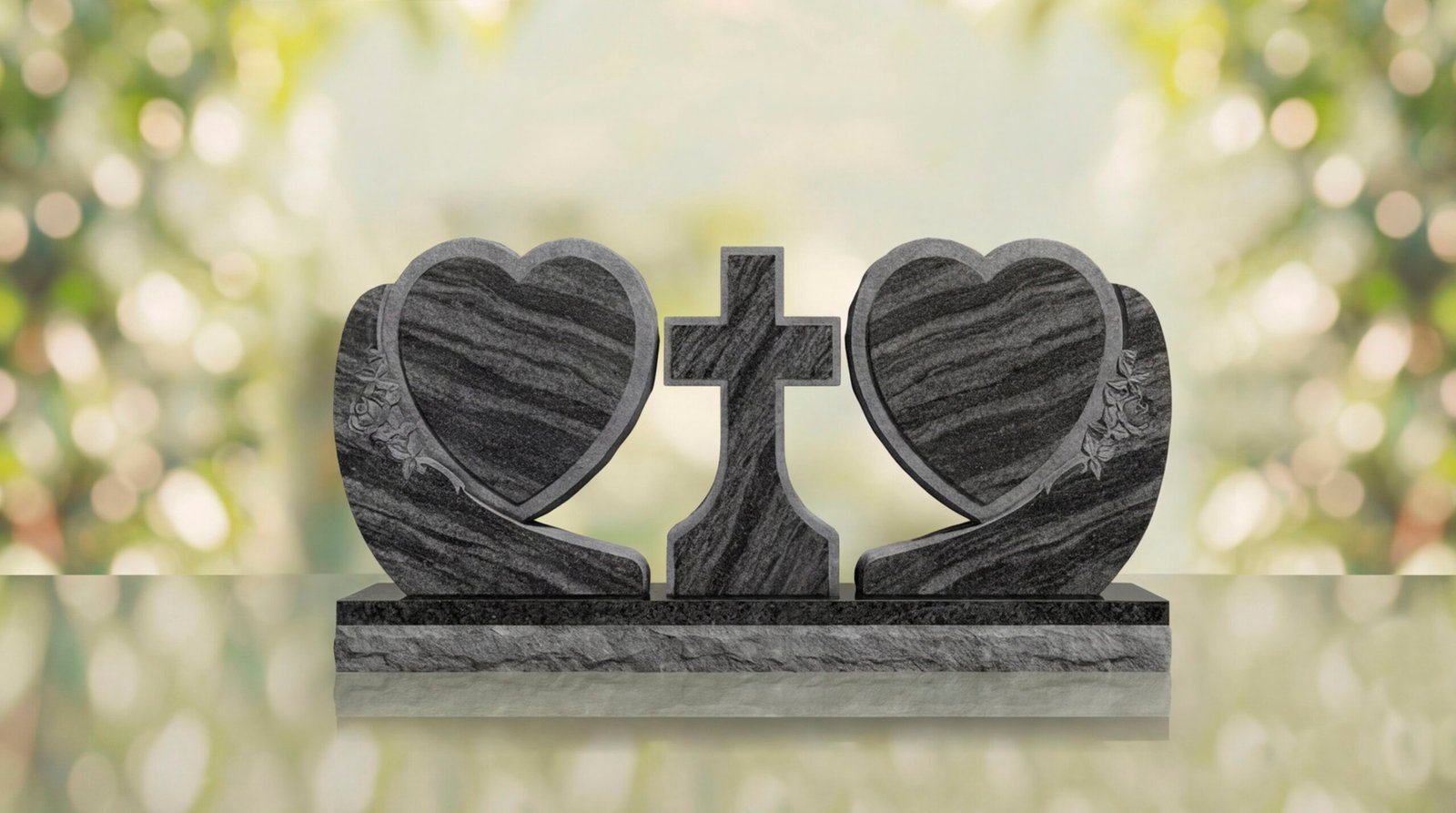
Walking through a historic cemetery is much like walking through an open-air museum or reading a book written in stone. Before the advent of modern photography and digital records, headstones served as the ultimate permanent record of a person’s life, beliefs, and societal standing. The elaborate carvings and motifs found on older gravestones are not merely decorative elements added for visual appeal; they form a complex, silent language known as cemetery iconography.
For genealogists, historians, and taphophiles (cemetery enthusiasts), understanding these symbols unlocks fascinating narratives about the deceased and the cultural attitudes toward death during their lifetime. From stark reminders of mortality to hopeful visions of eternal life, the symbols carved into headstones offer profound insights into human history. This article explores the meanings and significance behind the most common headstone symbols.
The Evolution of Cemetery Iconography
To fully grasp the meaning of headstone symbols, one must understand how attitudes toward death have evolved over the centuries. In the 17th and early 18th centuries, particularly in colonial America and Europe, life was often harsh and short. The prevailing religious views emphasized strict judgment and the absolute inevitability of death. Consequently, cemetery art from this period was stark, literal, and macabre, designed to serve as a memento mori (a reminder that you must die).
By the late 18th and early 19th centuries, society experienced a theological shift. The Great Awakening and the rise of romanticism softened the cultural view of death. Death was increasingly viewed not as a grim end, but as a peaceful transition or a deep sleep. The horrific skulls of the past were replaced by winged cherubs, and later, during the Victorian era, by deeply sentimental motifs like weeping willows, draped urns, and intricate floral carvings.
Religious and Spiritual Symbols
Unsurprisingly, faith and spirituality are the most prominent themes found in cemetery iconography. These symbols served to comfort the grieving family by ensuring the deceased was in the care of the divine.
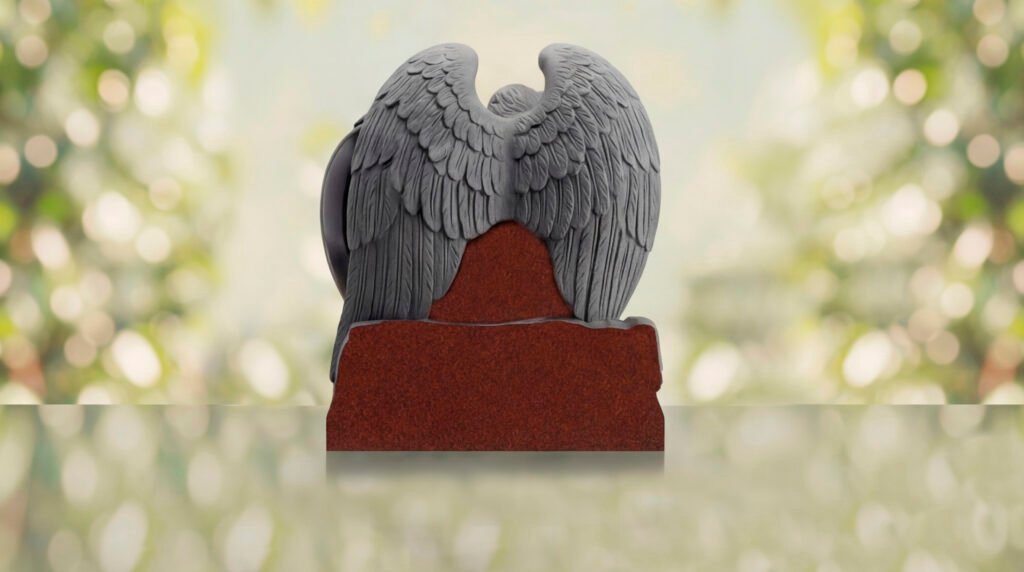
- Angels: Acting as messengers between God and humanity, angels are incredibly common. An angel pointing upwards indicates the soul’s journey to heaven. A weeping angel represents untimely death and profound earthly sorrow, while an angel carrying a child is almost always found on an infant’s grave.
- The Anchor: While it might seem like a nautical symbol representing a sailor, the anchor is actually an ancient Christian symbol of hope and steadfastness, rooted in the biblical verse Hebrews 6:19 (“Which hope we have as an anchor of the soul”). It was often used in early Christianity as a disguised cross.
- Hands: Hands are highly expressive in cemetery art.
- Clasped Hands: Represent a farewell to earthly existence or a greeting in the afterlife. If the sleeves are distinct (one masculine, one feminine), it often indicates eternal matrimony.
- Hand Pointing Down: This does not mean the soul went to hell; rather, it symbolizes God reaching down to pull the soul up to heaven, or sudden death.
- Hand Pointing Up: Represents the reward of the righteous and confirmation that the deceased has ascended to heaven.
- The Dove: A universal symbol of peace, purity, and the Holy Spirit. If the dove is depicted flying upward, it represents the soul’s ascension. A dead dove, or a dove with a broken wing, is a tragic symbol of a life cut remarkably short.
- The Book: An open book usually represents the Bible, indicating a pious life. It can also represent the “Book of Life,” in which the names of the righteous are recorded. Occasionally, it denotes that the deceased was an author, scholar, or teacher.
Nature and Floral Motifs
During the Victorian era’s “beautification of death” movement, cemeteries evolved into lush, park-like landscapes. This love for nature spilled over into the stonework, with flora representing various stages of life, virtues, and grief.
- The Weeping Willow: Perhaps the most ubiquitous symbol of the 19th century. The drooping branches of the willow tree perfectly encapsulate human sorrow and earthly mourning. However, because the willow can survive losing branches and thrive in difficult conditions, it also symbolizes immortality and life after death.
- The Rose: The rose is complex, with its meaning largely dependent on its stage of bloom.
- A rosebud represents a child under the age of 12.
- A partial bloom signifies a teenager or young adult.
- A full bloom represents a life lived in its prime.
- A severed stem signifies a life abruptly cut short by illness or accident.
- Oak Leaves and Acorns: The oak tree is a universal symbol of power, authority, strength, and longevity. Headstones adorned with oak leaves and acorns typically belong to individuals who lived long, fruitful lives or were pillars of their community.
- Ivy: Because ivy is an evergreen vine that clings tightly to whatever it grows on, it represents memory, eternal life, and undying affection.
- Sheaves of Wheat: Generally reserved for the elderly, a harvested sheaf of wheat symbolizes a long, productive life. It indicates that the deceased was “harvested” by the divine reaper only after fully maturing, representing a life fully lived.
Symbols of Mortality and the Passage of Time
While later eras softened the aesthetic of death, symbols representing the fleeting nature of time and the physical end of life remained prevalent, albeit in more romanticized forms.
- The Death’s Head (Winged Skull): Common in the 17th and 18th centuries, the winged skull is a blunt reminder of mortality. The skull represents the physical death of the body, while the wings represent the flight of the immortal soul to the afterlife.
- The Draped Urn: The urn is an ancient symbol of mourning, originating from the classical practice of cremation. Even when burial became the norm, the urn remained a symbol of the physical body returning to dust. The drape or shroud placed over the urn represents the veil between the physical world and the spiritual realm.
- The Broken Column: A remarkably striking visual, the broken column signifies a life cut short in its prime, or the sudden loss of the head of a family. It visually represents that the support structure of a family or community has been fractured.
- The Hourglass: A direct visual metaphor for the passage of time. A standard hourglass reminds the viewer that time is constantly running out. Sometimes, the hourglass is depicted with wings (Tempus Fugit – “Time Flies”), emphasizing the urgency of living a righteous life before time expires.
- The Scythe: Often carried by the figure of the Grim Reaper, the scythe is the tool of the harvest. It represents the sudden, sweeping cut of death that comes for everyone, regardless of wealth or status.
Fraternal Organizations and Secret Societies
In the 19th and early 20th centuries, membership in fraternal organizations was a vital part of social and economic life. These societies often provided life insurance, social safety nets, and burial benefits. Members proudly displayed their affiliations on their headstones.
- Freemasons (Square and Compasses): The most famous fraternal symbol is the overlapping square and compasses, often featuring the letter “G” in the center (representing God or Geometry). It signifies morality, truth, and brotherly love.
- Odd Fellows (Three Links of Chain): The Independent Order of Odd Fellows (IOOF) utilizes three interlocking chain links, usually containing the letters “F,” “L,” and “T,” which stand for Friendship, Love, and Truth.
- Woodmen of the World (Tree Stumps): This organization is unique in cemetery history. For a time, the Woodmen of the World provided headstones as part of their life insurance policies. These are easily recognizable as they are carved to look exactly like rough, severed tree stumps, symbolizing equality (as all trees must eventually fall) and brotherhood.
Comparison Table: Eras of Headstone Symbolism
To better understand how these symbols shifted over time, the following table breaks down the primary eras of cemetery iconography.
| Era / Period | Dominant Symbolism | Primary Cultural Themes | Visual Tone & Aesthetic |
| Early Colonial (17th – Mid 18th Century) | Winged Skulls, Crossbones, Pickaxes, Scythes | Memento Mori, strict judgment, physical decay, fear of damnation. | Stark, realistic, intimidating, and macabre. |
| Post-Revolutionary (Late 18th Century) | Winged Cherubs, Soul Effigies, Sunbursts | Spiritual resurrection, heavenly reward, the flight of the soul. | Softer, hopeful, transitional, and less frightening. |
| Victorian Era (19th Century) | Weeping Willows, Urns, Angels, Extensive Florals | Romanticized mourning, death as sleep, profound sentimentality. | Highly ornate, symbolic, poetic, and elaborate. |
| Modern Era (20th Century – Present) | Plain Crosses, Star of David, Hobbies, Laser Etchings | Individual identity, practical memorialization, simple faith. | Minimalist, highly personalized, and subdued. |
The Importance of Preserving the Stone Canvas
Headstone symbols are more than just hauntingly beautiful pieces of folk art. They are primary historical documents. In many cases, for marginalized communities, the poor, or women of earlier centuries, a headstone might be the only permanent historical record of their existence.
Unfortunately, time, weathering, pollution, and vandalism constantly threaten these outdoor archives. Acid rain slowly melts away the delicate carvings of weeping willows and clasped hands, turning distinct historical records into smooth, unreadable slabs of slate and marble.
By understanding and documenting the meanings and significance of headstone symbols, we do more than satisfy a morbid curiosity. We actively participate in preserving the history, culture, and emotional landscapes of those who came before us. The next time you find yourself walking through an old cemetery, take a closer look at the stones. With a little knowledge of cemetery iconography, the silent stones will begin to speak, sharing centuries-old stories of love, grief, faith, and the enduring human spirit.